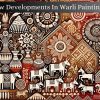
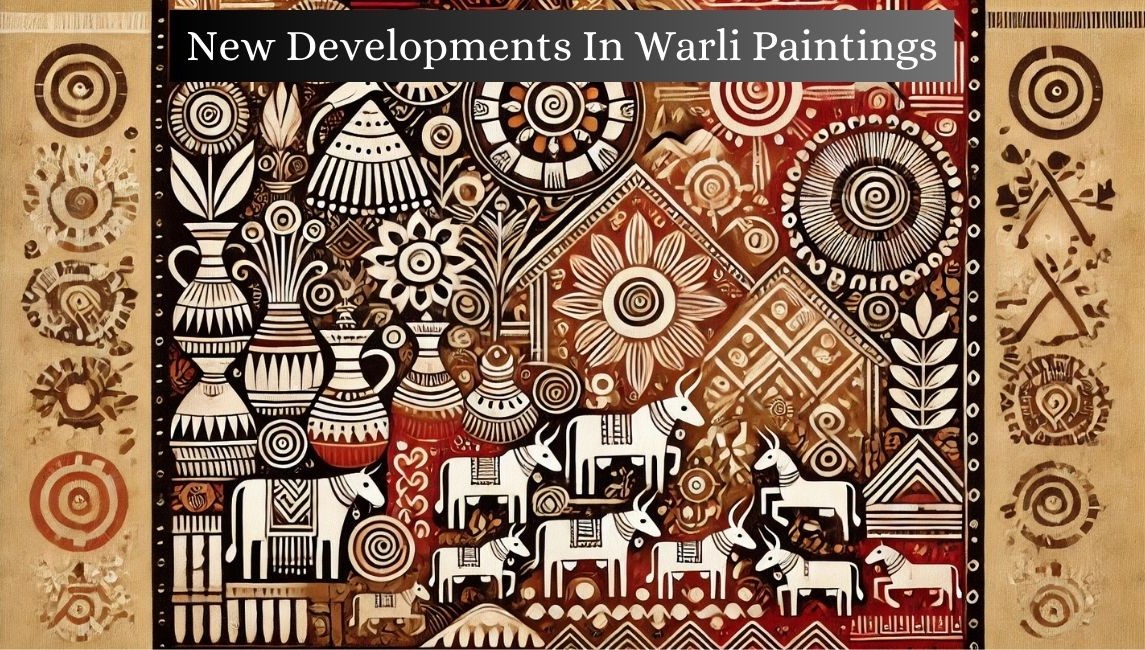
New developments in Warli painting
Have you ever thought as to how an art form which has existed for around 2500 years has captured the attention of modern day designers, art lovers globally, and even contemporary interior designers? Warli painting, which was traditionally limited to mud walls in the state of Maharastra in India, has recently gained quite an attention. This art is a fusion of minimalism, history, and storytelling, making it intriguing, which is why it is gaining popularity on Instagram, and is proudly displayed on the galleries and houses of people all around the globe. In this blog, we will analyze how Warli painting has transformed over time, its entry into modern art and fashion, the role of various digital technologies in its revival, the rapid globalization of its popularity, and important factors that influence its prospects.
Warli painting is an art form depicting the culture and heritage of the Warli tribe in Maharashtra, India. These paintings go as far back as several thousand years, and at one point in time, they were painted on tribal houses’ walls with white rice paste. Representing life in art is Warli art’s hallmark, but its beauty lies in the deep richness of it’s presentations. Basic geometric shapes, including circles, triangles, and even lines are used to represent life of the tribe including farming, hunting, and even dancing during feasts. The sun and the moon are well represented through circles, while the mountains and trees are represented with triangles, and lines unites all of these in beautiful and fascinating stories. Warli art is inspired by the tribal adaptation and consistence with forest, wildlife and nature.
While its high cultural importance is how it honors and appreciates the rural lifestyle, more controversially, in this age of contemporary art, where minimalism has taken charge, such appreciation irrefutably serves as an advantage. The art form of Warli painting has surely moved past the tribal roots and into the world of modern art, and with that came new changes.
1. Change with the times:
Modern day Warli painters have started altering the traditional elements of the art by adding contemporary themes. Artists now tackle social issues such as climate change, gender equality, and urbanization, and address them in novel ways, departing from the typical illustrations of rural life. These new narratives strive to connect traditional paintings and modern day life.
2. Vibrant Catalysts:
In the past, Warli paintings were done using white paint on a mud-brown background. In today’s world, artists do not shy away from using red, green, or even gold. Various blend of colors are now in the use while making this artform though earlier it was restricted to certain set of colors.
3. Transformations in Warli Art:
Warli as a painting style transcends its traditional origin of being restricted to wall painting. Today, it is done on paper, fabric, canvas and metal. This transformation has made it affordable for many people, making it easier to buy and decorate their homes with Warli art. Various home decor products are designed using the warli art themes which gives a spectacular ambience to your home.
A Word is Worth More than a Thousand Pictures
Its not just that Warli painting is alive, its collaboration is still further worth mentioning! Creative people are looking for new ways to use Warli in their design and art.
1. Fashion:
Today, Warli art is widely used on saris, scarves, and handbags. Fashion designers such as Sabyasachi have incorporated Warli art into their stunning collections.
2. Interhouse:
Warli patterns are featured on cushions, rugs, ceramic plates and wallpapers. Warli patterns are minimalistic in style, making them perfect for modern interiors as it compliments the decor beautifully.
3. Museum:
Many galleries have adapted this art by organizing exhibits inspired by warli art, where they incorporate traditional methods of painting into modern styles alongside local warli artists.
The meeting point of digital innovation with age old tradition
Social media and online platforms are arguably the number one factor fueling the revival of Warli art. This form of digital world is helping in sustaining and elevating this ancient artwork in the following ways.
-Culture On Instagram: Warli designs are now being put up on Instagram where many people who are interested in art can see them. #WarliArt and #TribalArt are some of the most used hashtags in art.
-E Commerce Sites: Etsy and Amazon are enabling traditional Warli artists to reach international buyers showcasing their incredible works of art.
-Digital Classes: A lot of people are now showing interest in Warli art as there are online workshops available on digital learning platforms.
-NFTs: Yes, Warli art is entering the world of NFTs, paving the way for this ancient artwork to be viewed in a whole new perspective.
International acceptance and incorporation in daily lives
The Indian Warli painting is gradually gaining recognition outside India so much so that it is starting to flourish and reach its peak within the country too.
-Exhibitions & Art Fairs: Warli painting is considered the most sought after tribal Indian artwork in all international exhibitions and art fairs where it features.
-Gifts & Souvenirs: Warli painted items have become famous as gifts and souvenirs for tourists who want to take back a piece of Indian culture with them.
-Design Partnerships: Other foreign brands have started incorporating Warli patterns on their products.
For example, lifestyle brands incorporate Warli artworks in their apparel, stationery, and even in coffee mugs.
-Cultural Exchange Programs: Initiatives aimed at promoting Indian tribal art have catapulted Warli painters into global recognition. The world’s acceptance of Warli art is itself an evidence that such art transcends both spatial and cultural boundaries.
-Looking Ahead – What’s Next for Warli Art? Given how Warli art is increasingly being accepted, combined with the potential of modern digital platforms, its future is bound to be bright.
1. Capturing the Interest of Youth: Innovative approaches to the painting are being adopted by young artists and enabling the art to capture the interest of the youth.
2. Globalization of Art: It opens immense new opportunities by integrating Warli art into more modern global designs.
3. Authenticity versus Adaptation: While adaptations are appealing, it should not lose its core value. Supporting local artists and making the public aware of the significance and true meaning of Warli art would greatly help.
4. Tribal Art Promotion by the Indian Government and NGOs: Support from Indian government policies that promote tribal art as well as the NGOs that focus on the well being of artisans are crucial for further growth of Warli art.
Establishing New Age Traditions Warli painting is a blend of art and culture, one that expresses an everlasting story, reflecting the juxtaposition of tradition and modernity. Such innovation paints an entirely different vision for the future, elevating these paintings from mere art to an evergreen legacy.
Should this art form intrigue you, now is the ideal time to delve deeper! Buy a piece, participate in workshops, or even use Warli shapes to decorate your home. With these efforts, you can help various Warli artists and preserve the ancient art for posterity.


Add comment
You must be logged in to post a comment.