

The Artistic Journey of Dokra Painting: History and Evolution
The Artistic Journey of Dokra Painting: History and Evolution
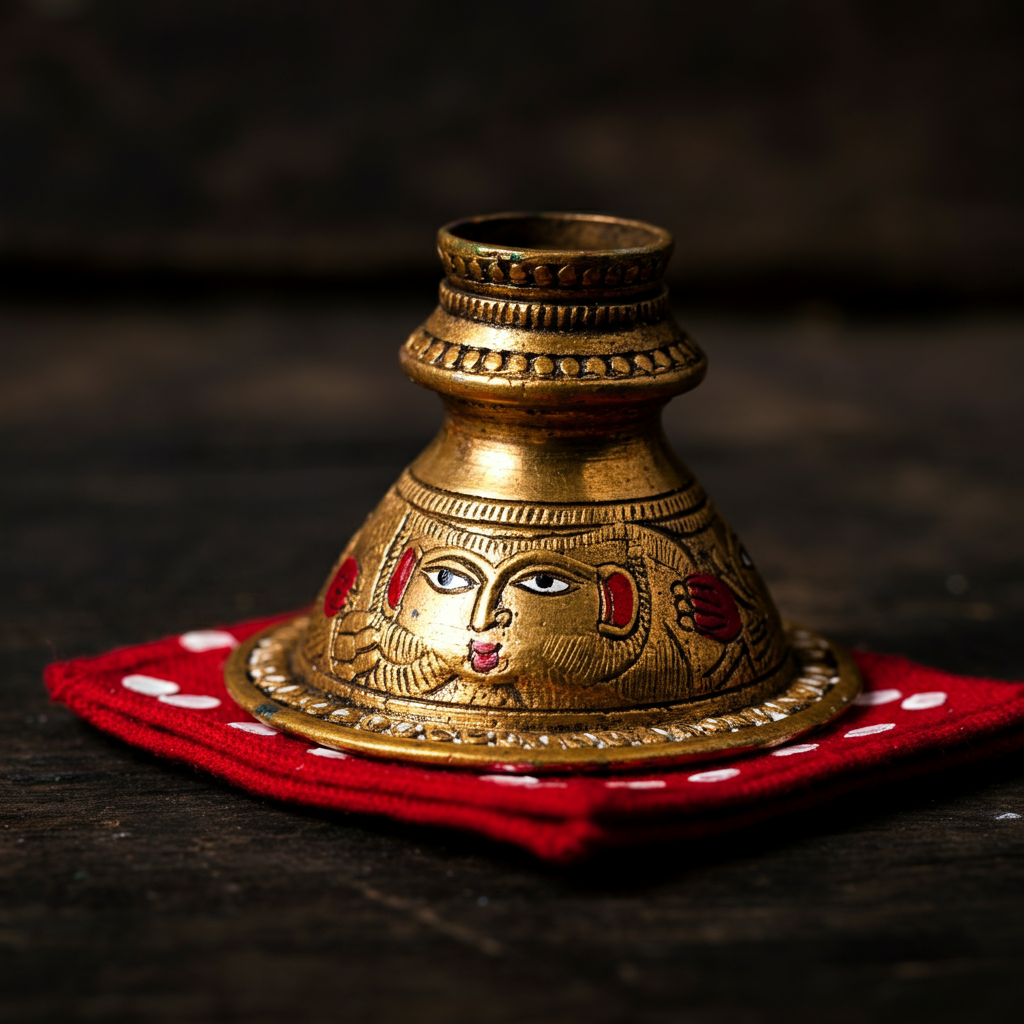
Dokra art is one of those art forms which exquisitely encapsulates the spirit of craftsmanship, artistry, and heritage. It has preserved its form while coming from traditional roots, making it an artifact of India’s rich culture. This blog is an attempt to understand in depth the history, cultural significance, techniques, and modern adaptations and challenges of being an art enthusiast of Dokra painting. Above all, we suspect readers will find the final arguments compelling about why we should support this art form to preserve its heritage.
What is Dokra Painting? Understanding its Definition and Origin
Dokra, or Dhokra, is believed to originate from tribal regions in India, and can be found in states such as Odisha, West Bengal, and Jharkhand. It is commonly associated with beautiful handcrafted metal sculptures. Dokra painting, on the other hand, signifies the patterns which adorn the timeless sculptures. It is all about detailing, and involves nature inspired or geometric motifs which depict the essence of tribal culture from its simplest yet most profound form. The word “Dokra” comes from ‘Dhokra Damar’ tribe which mastered this craft first. Although metal casting is the main aspect of Dokra art, painting adds value to its richness which is why it is referred to as the aesthetic layer.
Historical Perspectives: What There is to Know about the History of Dokra Art
Dokra art, traces back to over four thousand years ago, and is attributable to the ancient Indus valley civilization. It is believed to have a connection to the iconic ‘Dancing Girl’ statue discovered in Mohenjo-Daro as it has similar metal casting techniques that are typical of Dokra produced items.
Tribal artisans from various regions have been practicing and perfecting Dokra for centuries. Their craft has been passed on from one generation to the other, and while modern man has emerged and taken over, these traditional techniques have stood the test of time. It is argued that the uniquely unmatched authenticity of these metal crafts helps distinguish one’s status in the society. It is the commitment to sustainable and eco friendly practices that makes Dokra painting so unusual. Lost wax casting method is used to make traditional Dokra and is as old as civilization itself. Here is a detailed process:
Wax Modeling: Artisans meticulously handcraft a wax model of the intended design, capturing even the finest details.
Clay Coating: The wax model is coated and molded with thin then rough clay and dried in the sun. As the mold is heated the wax melts leaving an imprint in the clay. Bronze or brass is poured into the mold making the clay take the shape of the design on the cast. After the sculpture finishes cooling, the clay mold is shattered to expose the artwork inside which has to be polished and painted carefully to bring out the textures and patterns.Dyes with earthy tones are used in dokra painting to create motifs such as spirals, lines, and tribal figures which add cultural depth to the art.Dokra Art Today: Revival and Modern Transformations
The global audience is seeking authentic, charming traditional dokra art, leading to a rejuvenation in its popularity. From wall hangings to luxurious centerpieces, jewelry, and even for decor sensitive interior designers, this art has found a versatile visual appeal while maintaining its roots. Rural artisanal crafts are now directly accessible to consumers due to online platforms and exhibitions, leading to a rise in demand for sustainable handicrafts and traditional art amongst modern buyers concerned with ethical consumption.
Cultural Resonance of Dokra Art In the past two decades, the acknowledgement of Indian art at the global scenario has amplified. Art enthusiasts as well as collectors appreciate and endorse the skilled work done on handicrafts. Painting, in this case, is used for decoration of items carved out of brass. Some prominent themes evident in the antique tribal paintings of India include: Dinosaur themed drawings and plant life Magic symbols including the alchemical double circle Tribes – depicted deities represent faith and reverence Life of people is presented by engravings of tools used – craftsman, musician and others. Every piece tells a tale, capturing the essence of tribal folklore, beliefs, and ways of life. For its historical and cultural contribution, Dokra art remains of supreme importance and is proudly displayed in many museums signifying the rich traditions of India.
Where to Find Authentic Dokra Art Pieces Undeniably, good quality hones of Dokra items are at the Surajkund crafts fair. Various NGO and trusts supports sustainable techniques, bringing attention to the craft made by tribal craftsmen. These initiatives enable the crafts’ exposure relative to modernity. The oldest and most reputed source would undoubtedly be galleries dealing in Indian tribals art. For instance, the crafts on display at various art galleries are breathtakingly beautiful.
Amidst Challenges, Opportunities For Dokra Art Brews: The Future Of The Art.
The art faces challenges to meet niche markets that threaten its sustainability, but it also manages to prevail. Competing with mass production, inadequate funding and reduced access to natural resources make it difficult for the artisans to prevail. Some efforts being taken to address these problems are:
- 1. Government Aid- Preservation of Dokra can be funded via schemes like Hastshilp Vikas Yojana.
- 2. Digital Avenues- Artisans can now be globally exposed with e commerce websites.
- 3. Collaborations- Designer bags, jewelry, and home decor items using Dokra art are on the rise.
While there is still much improvement that can be done to properly aid the artisans with education and support, they definitely have the potential to prosper with the right tools and treatment.
Supporting And Honoring The Legacy Of Dokra Paintings
Serving as a primary example for the spirit of Indian craftsmanship, Dokra paints vibrant history with its eco-friendly practices, making it a beautifully crafted piece. Combined with various disciplines, it reshapes “traditional” craftsmanship. Embracing the role as an enthusiast is crucial. Purchasing authentic pieces of this endangered art single handedly helps in preserving the legacy. Whether you admire cultural heritage or are an aficionado for home decor, we suggest you look no further because Dokra art is worth exploring.
Dokra painting is the term used to describe the decorative details and paintings on the dokra sculptures, which include figurines or other crafted household items. While some works are created with a focus on the painted and modeled forms, it is rather referred to as a Dokra sculpture. Your modern day jap a tricky one that needs a beauty to work its magic. You can achieve this by seizing the moment as it comes. A rather judicious way to achieve this would be by shopping in bulk once a month. Each piece of genuine Dokra art is sculpted and painted by hand; therefore, no two pieces are the same as every artist has their own individuality. Genuine products would have textures that are not perfect and are not completely uniform, as well as working with artisans and other controlled galleries.

Inspirational Quote Wall Art in English – 1 Line – HD Print – Positivity & Motivation
Price range: ₹125 through ₹225
Inspirational Quote by Swami Vivekananda in English – 2 Line – HD Wall Art Print – Take Risks & Inspire
Price range: ₹175 through ₹275
The Pharaohs – Egyptian Oil Painting on Canvas
Original price was: ₹24,740.₹24,640Current price is: ₹24,640.
Inspirational Quote in English – 1 Line – HD Wall Print – Gratitude & Mindfulness
Price range: ₹125 through ₹225
Motivational Quote in English – 1 Line – HD Wall Print – Positive Mindset
Price range: ₹125 through ₹225
Inspirational Quote in English – 1 Line – HD Wall Print – Belief & Mindset
Price range: ₹125 through ₹225
Positive Quote in English – 1 Line – HD Wall Print – Make Today Magical
Price range: ₹125 through ₹225
Positive Quote in English – 1 Line – HD Wall Print – In the Cookie of Life, Friends are Chocolate chips
Price range: ₹125 through ₹225
Sapience – Texture Contemporary Artwork
Original price was: ₹12,320.₹11,760Current price is: ₹11,760.



Add comment
You must be logged in to post a comment.