
Best ways to grow a toddler
The initial step of any parent in the parenting world starts from parenting a toddler. The child between the age of one to three is termed as toddler. Whether you are a first time parent or looking for certain guidance after nurturing your first kid, it is very necessary to understand the needs of a toddler along with different phases of development. The journey of a parent while growing a toddler is just like a roller coaster ride which is both challenging with its ups and downs as well as full of cute rewards and experiences. Especially as a first time parents, there is an element of doubt, uncertainty as to how to nurture a child who is a beginner in learning many things. Following are some ways which can be helpful in this context to nurture and grow a toddler in proper way:
1. Understanding the Development Phases of a Toddler
As a first step, it is very essential to understand the various development phases and milestones a child has to cover as a toddler. In the initial years of life, a child develops speaking skills along with motor skills. Basically, they are learning a cause & effect relationship of every event going on in from of them and this makes to think with reasoning. The child is also ready to develop cognitive skills though they are not able to understand the difficult concepts and sometimes are not able to express them verbally or in the terms of body language also clearly.
Major Development Phases :
- Development of Motor Skills: The first phase usually in the toddler is the increase in the mobility of child as they run ,climb , jump and perform various physical activities. They like to do things on their own and are inquisitive about their surroundings and various objects.
- Cognitive Development : The mind of a toddler starts learning the cause and effect relationship concept not only in daily regime but also in terms of the responses and feedbacks from their parents as they start acknowledging the reactions they receive from any person on activities they perform .The logic and reasoning development takes place in the child in these initial years.
- Speaking Skills : The verbal responses start from the child as they learn new words from the conversations going on between the people around them. The conversations can also be in the form of gestures, pointing to something or in facial expressions.
- Emotional Growth: In this stage a child grows emotionally and they often juggle with emotions like anxiety related to separation from parents, throwing tantrums and expressing anger
2. Set Clear and Consistent Borderline
Setting up a clear and consistent borderline makes the toddlers understand that what will be considered as an acceptable behavior .
Maintaining Discipline :
- Consistency is important : For making the toddlers stable in their behaviour and to make them recognize what is expected from them, parents should hold consistent response. For Example, a stable “No” on any particular matter makes the child understand that this will not be acceptable.
- No Physical Punishments : The child becomes stubborn on frequent physical punishments. It is better to redirect their attention to other activity keeping your calm.
- Give them Choices : Give choices to your child in daily routine so that they learn to think and act independently giving them a kind of sense of freedom in their choices.
- Appreciate them : Praise the child ‘s good action or behaviour which will motivate him to learn life values. The appreciation works as a positive reinforcement .
3. Vocal Conversation & Connect with the Child
Toddlers lack the language skills in early stages to express their requirements. Providing a supportive environment and conversating with them will increase the confidence of a child making him open to communicate with parents.
Ways to Encourage Communication:
- Give them time : In order to increase their speaking skills, use simple words and be patient so that the child gets enough time to express himself.
- Expand their words: If your toddler says “Lion,” you can respond with, “Yes, that’s a King of the Jungle, a Big Lion .”
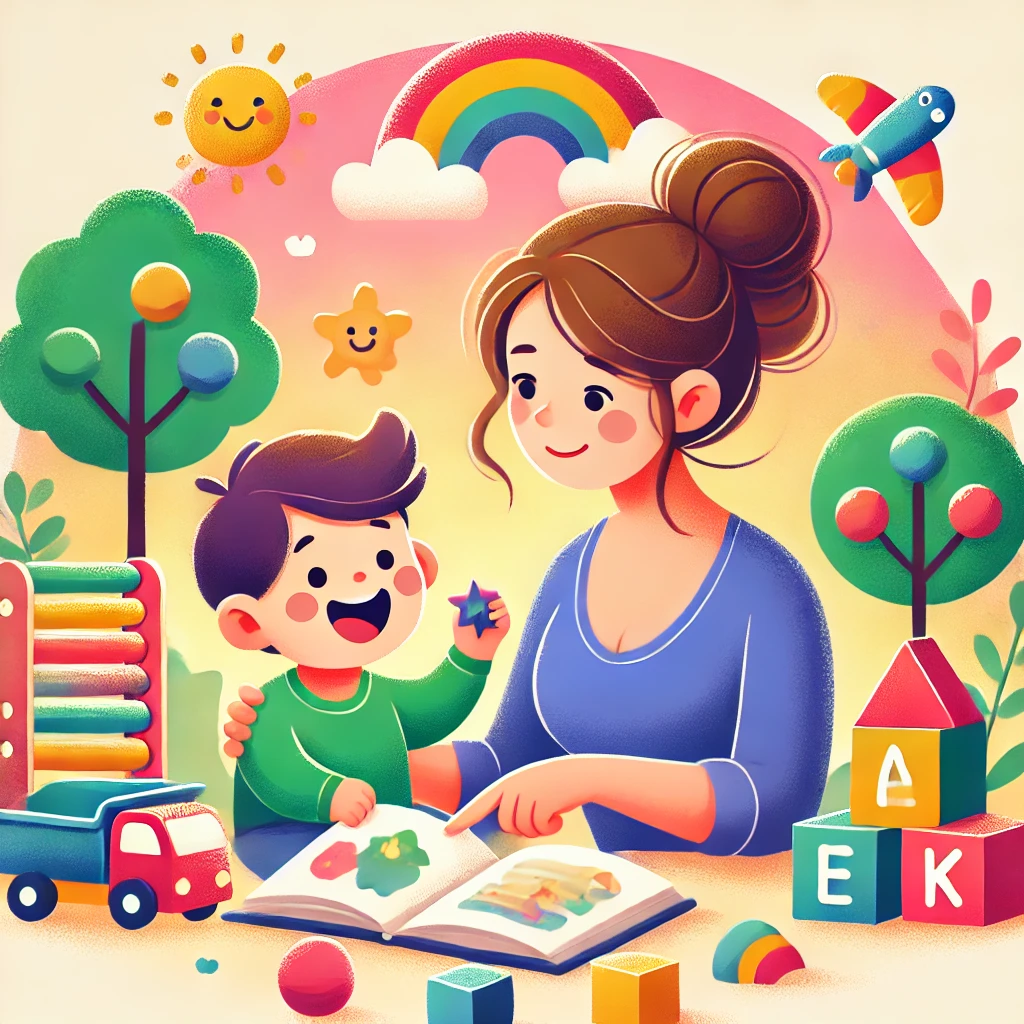
- Reading and Narration : Make them sit and read and narrate any story from an attractive book full of colourful pictures which will make them learn new words and enhance their imagination.
4. Making Them Independent in Every Way
At this stage, toddlers want to do thing themselves. Give them the space to try things on their own which will make them independent.
How to Foster Independence:
- Let them help: Encourage them to help you in your daily activities like picking things for you which builds a sense of responsibility in them.
- Avoid being overprotective: Don’t be overprotective as the child learn new things as it will foster fear in him.
5. Keep your Cool During Tantrums
Tantrums are a common part of toddlerhood. At this stage, Parents generally face tantrums of kids, crying, throwing things
How to Handle Tantrums:
- Stay composed and divert them: Maintain your calm and try to divert them to new activity or any object.
- Avoid Confrontation : Don’t confront them when they throw tantrums. As they subside, you can offer reassurance.
- Acknowledge their hopes and demands: Conversate like “I can see that “You’re angry because you can’t have that sweet candy.” This helps your toddler feel that you understand him.
6. Create a Proper Daily Schedule
Toddlers feel a sense of security if you maintain their daily routine. Regular time for every activity, like playing taking a regular afternoon nap reduces unpredictability from their mind.
Developing Regular Routine:
- Keep Regular timings : A familiar bedtime routine, playing and study time enhances discipline and regular good habits in child.
- Proper Rest time: Toddlers need relaxation, especially after being hyper active. Motivate quiet activities like drawing , colouring .
7. Patience is the Key
Toddlers always test your patience as the growth phase is very tedious. Their mood is everchanging so it can be exhausting for you as a parent to handle them but this phase will not last forever. Keep abundant patience and enjoy small moments with a smile even if they are difficult.
Tips for Staying Patient:
- Focus on the positives not negatives: Celebrate the little wins—whether it’s your toddler successfully using the potty or learning to say a new word.
- Don’t Burden yourself: Parenting is a team effort and it is always better to find support of your family and it is better to take one step back when stressed else you will land up reacting in a hyper way.
Parenting a toddler is a growth and learning journey both for parents and child. By gifting a supportive environment, encouraging independence, giving emotional support , maintaining a connect with them providing a sense of security and fostering independence in your child can transform your child into confident, stable, kind and independent individual and help you to create beautiful memories for both which will be cherished.Keep nurturing and growing as a parent , enjoy the ride!






Add comment
You must be logged in to post a comment.