
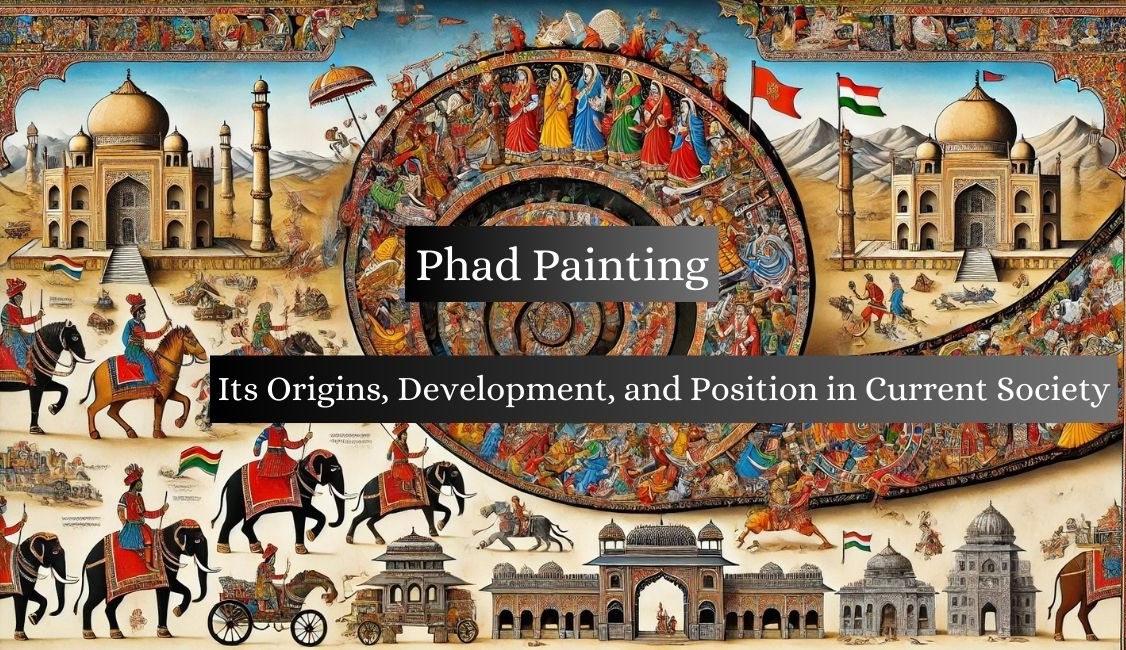
Phad Painting: Its Origins, Development, and Position in Current Society
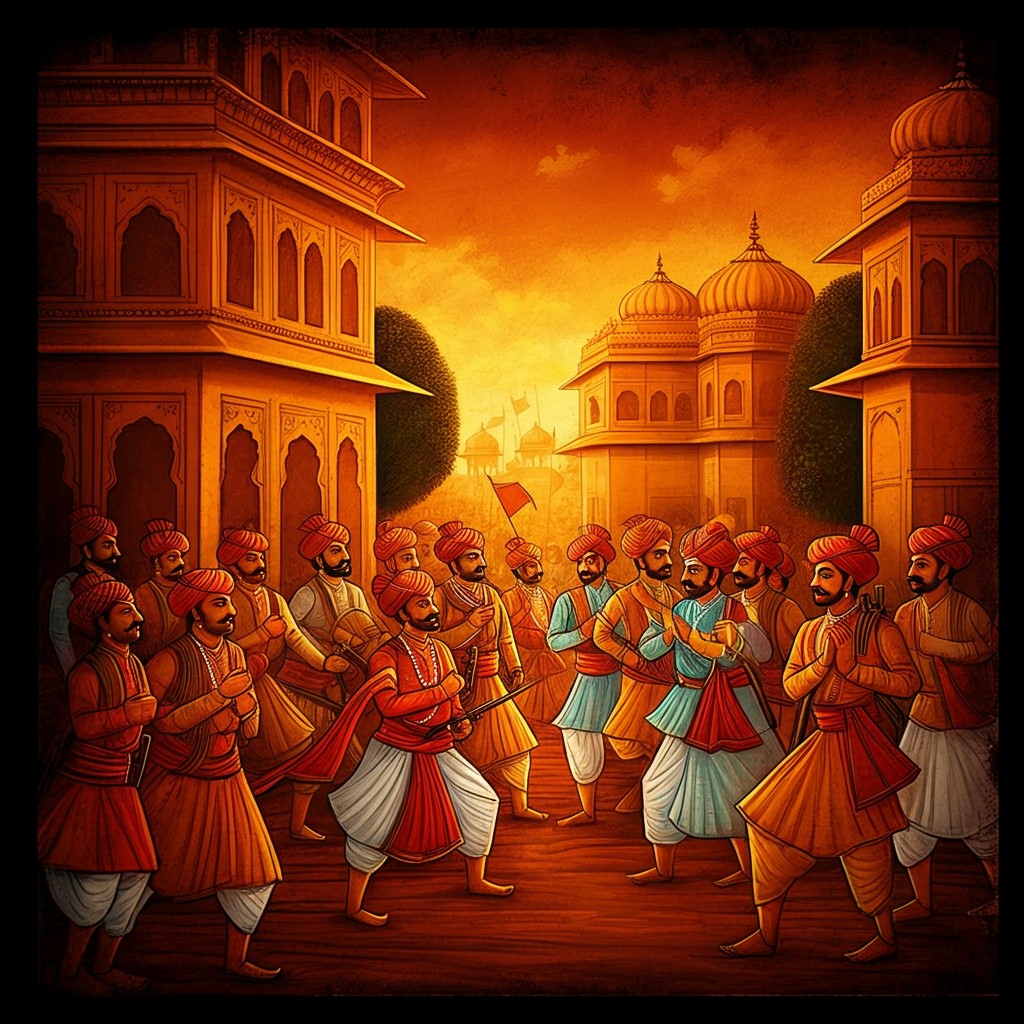
Phad Painting: Its Origins, Development, and Position in Current Society
An Overview of Phad Painting
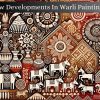
Phad painters create more than an artwork; it is a visual feast of folklore and history permeated into the Indian culture. This technique of painting on a canvas roll originated from Rajasthan state in India. It is known for its brilliant colours, sophisticated details, and story-telling charm that Phad painters mesmerize all with. Temples once possessed scrolls of Phad paintings, which over centuries have transformed to art pieces and are now found decorating walls all over the world.
In this blog post, we will dwell deeper into how the Phad art evolved along with its current state while providing you with tips on how to appreciate this art whether you are an onlooker, a collector, an enthusiast, or even a creator.
The Tradition of Phad Painting
Phad painting originated in Rajasthan and served as a storytelling canvas for centuries. It illustrated the life and gallant acts of local folk heroes and deities, such as Pabuji and Devnarayan. These paintings were done on long cloth scrolls and were an integral part of religious ceremonies and gatherings.
Factors to consider concerning tradition include:
Art as a Narrative: Paintings were performed by the Bhopa and Bhopi people, who impersonated priest-singers. The performers would travel from village to village using scrolls as props.
Materials and Techniques:
Canvas: Wooden fabric was used as the painting surface. It was handwoven and treated with starch for sterquilinias.
Natural Pigments: The paints were handmade using minerals, soil, plants, spices, and everything natural available. Each colour was symbolically and culturally significant.
Brushwork: Astonishing details were drawn with fine brushes crafted from squirrel hair.
Phad painting is not just a form of art but also possesses educational and cultural value by encapsulating centuries of Rajasthani folklore.
The Transition of Phad Painting
Phad painting is an art form that is essentially an integration of society’s progress and its core traditional roots. Phad painting has undergone major shifts in its form over the years.
Expanding Subjects: Despite initial concentration on demigod and epic characters to modern Phad art which emphasizes contemporary issues like social and ecological problems.
Materials Modernized:
Phad painting paints have undergone changes from natural to artificial in order to fulfil the modern requirements of sturdiness and vibrant shades.
Some artists still opt for eco-friendly options to maintain the originality of their work.
Diversification of Form:
Now Phad painting is not restricted to being a long decorative cloth piece but is also done on a smaller scale, such as panels, walls, and even as clothing.
Instead, modern day Phad art pieces exhibit a balance between the essence of Phad and the current day needs of the audience.
The Art and Its Artists
Phad painting has been preserved and practiced by Chhipa and Joshi families in Bhilwara, Rajasthan throughout ages. Their family heritage, techniques, and information were passed down in a way that the art form could survive.
Famous Phad Artists:
Shree Lal Joshi:
Phad art has achieved new heights thanks to Shree Lal Joshi who is its pioneer. he was the first major artist to incorporate themes of a more modern, secular nature into his works. He also founded Chitrashala, an institute supporting the young generation of Phad artists.
Prakash Joshi:
Being a descendent of Shree Lal Joshi, Prakash Joshi has the torch of his legacy and moderns’ aspects of today’s artworld.
Sharad Joshi:
Sharad Joshi is known for his fusion of tradition and modernity and has won appreciation for his efforts in carrying Phad painting to the world. Overt efforts by these and many other artists have brought international recognition with Phad painting as an understated tradition.
The Global Impact
Phad painting has crossed the boundaries of its Rajasthani roots and gained appreciation among art critics and lovers all over the world.
Art Exhibitions and Museums:
Phad paintings have gained international recognition and they are now a part of many popular art museums and galleries in the major cities of London, Paris, and New York.
Collaborative Projects:
International artists have fused with Rajasthani artists with the goal of appealing to international viewers.
Cultural Workshops:
Several cultural organizations around the world frequently conduct Phad painting workshops which helps this lesser-known art form reach enthusiasts and learners across the globe.
Their acknowledgement has created a ripple effect and encourage storytellers to provide visuals over their illustrations.
The Making of a Phad Painting
Making your very own Phad painting can be a very fulfilling task for all the DIY lovers out there. Below is a simple guide you can follow for stepwise instructions.
Materials Needed:
Cotton or canvas fabric- rectangular
Synthetic water colours or natural pigments for the purists
Fine brushes of differing size
Sketching pencil
Patterns and design references for the Phad
Process:
Prepare the Canvas:
Stretch and coat the fabric with starch or a base primer which will help create a stronger coating on the canvas.
Sketch the Scene:
To begin with your composition, draw a finely detailed rough sketch using a pencil and include traditional motifs such as floral patterns and mythological figures.
Outline the Design:
Make strong contours using black ink or paint; these bold outlines are a characteristic feature of Phad art.
Add Colours:
Begin painting different sections of the canvas with your selected pigments starting with the lightest colours as the background.
Detail the Patterns:
Include embellishing patterns, ornaments, and background that narrate the story through Phad painting.
Seal and Preserve:
To Phad painting to protect it from harm, use an automobile acrylic car varnish spray. And there you have it, a personalized masterpiece derived from Phad art techniques.
Phad Painting in Contemporary Culture:
Phad painting has now become part of non-collational art and has gained its way into interior design.
Home Decor:
Considering modern jacuzzi interior design, small Phad panels make suitable wall decorations fusing modernity and tradition. The phad artforms are also seen as the latest trends in the living room increasing its ambience.
Fashion and Accessories:
Phad design is now incorporated into the art of making clothing by embellishing scarves, handbags, and other textiles.
Cultural Events:
These ancient artworks are prepared using Phad and are used in women’s fashion shows. Decorating style for fashion expositions is one of the Phad cultural style demo. Phad painting has flourished in many cultural spaces, embodying a vibrant linkage between both traditions.
Why Phad Painting Will Deeply Impress You
Phad painting is a living tradition of Rajasthan famous for its exceptional aesthetics, ability to adapt to times, and for its capacity to relive captivating tales. It is an exquisite piece of art capturing the skill of artistry, serving as a craft, a piece of culture, and a rich reminiscence of the past. Phad paintings are deeply engrossing whether as an admirer, an artist in the making, or even as a person setting out to find disparate collectibles. Vasudev’s Phad serves as a perfect window into the intricate relations between art and history.
If captivated and you want to learn a step further, try attending a workshop or consider getting a Phad for your space.
References and Further Reading
“Phad Paintings of Rajasthan,” Rajasthan Art Collective
Joshi, S. L., The Stories Behind the Scrolls
Workshops at Chitrashala, Bhilwara

Motivational Quote Wall Art in English – 4 Words – HD Print – Success & Focus
Price range: ₹125 through ₹225
Positive Quote in English – 1 Line – HD Wall Print – Evrything’s better when we are together
Price range: ₹125 through ₹225
The Pharaohs – Egyptian Oil Painting on Canvas
Original price was: ₹24,740.₹24,640Current price is: ₹24,640.
Inspirational Quote by APJ Abdul Kalam in English – HD Wall Art Print – If You Fail, Never Give Up
Price range: ₹175 through ₹275
Sapience – Texture Contemporary Artwork
Original price was: ₹12,320.₹11,760Current price is: ₹11,760.
Inspirational Quote by Swami Vivekananda in English – 1 Line – HD Wall Art Print – Effort & Growth
Price range: ₹175 through ₹275
Positive Quote in English – 1 Line – HD Wall Print – In the Cookie of Life, Friends are Chocolate chips
Price range: ₹125 through ₹225
Beautiful Leather Painting of Arjuna Rath
Original price was: ₹24,080.₹23,520Current price is: ₹23,520.
Beautiful Painting with recycled materials
Original price was: ₹11,200.₹10,640Current price is: ₹10,640.



Add comment
You must be logged in to post a comment.