Pattachitra painting history and evolution
Have you ever looked art that has so many different portions to it, feels like it can take you to a different world? This how powerful Pattachitra is, it is a form of art from India which is a combination of history, spirituality art and exceptional skills.
In today’s context, we will discuss the history and evolution behind these specific paintings, and their importance to the Indian culture. This is a captivating read for art lovers, history aficionados and culture vultures alike, so let’s dive together.
What is Pattachitra?
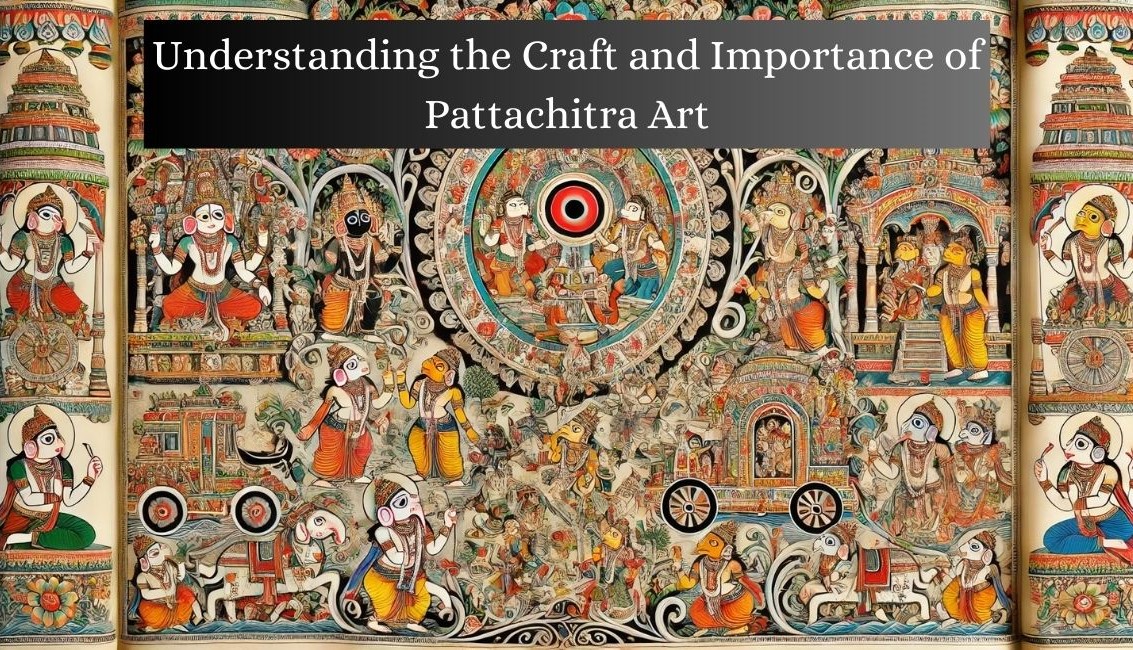
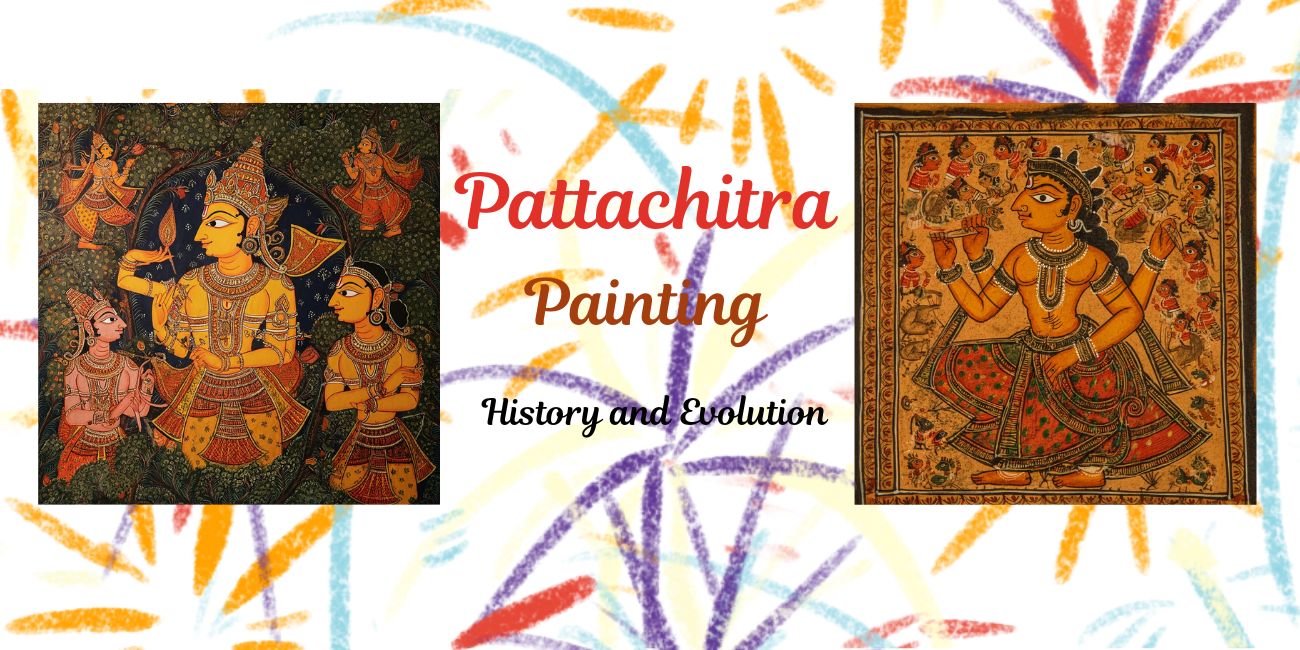
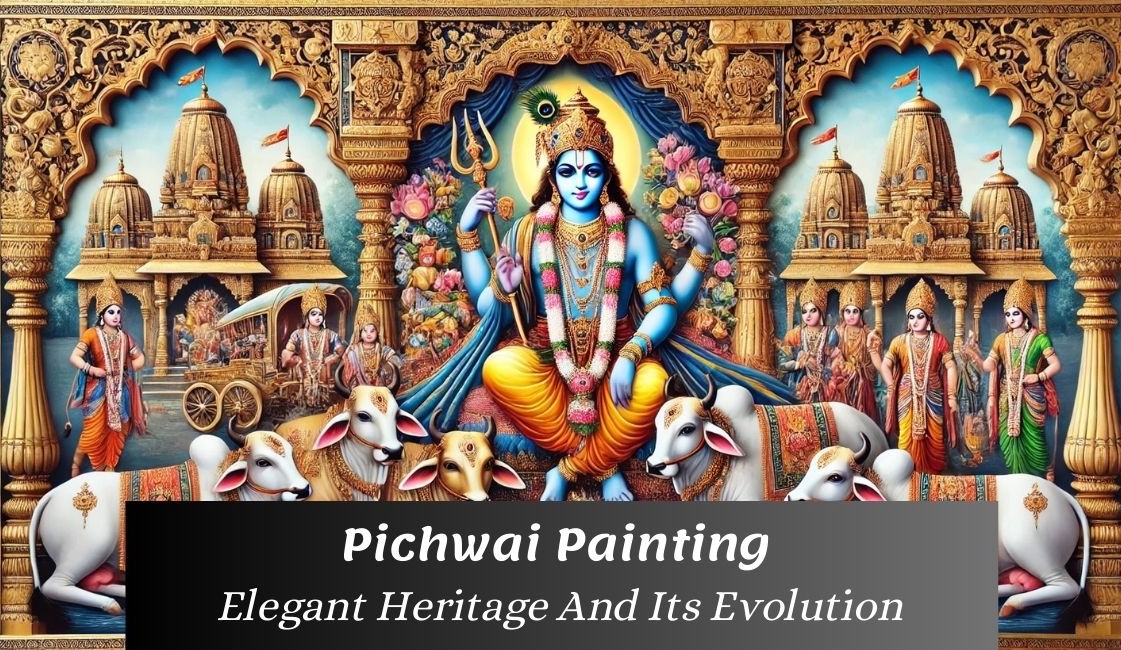
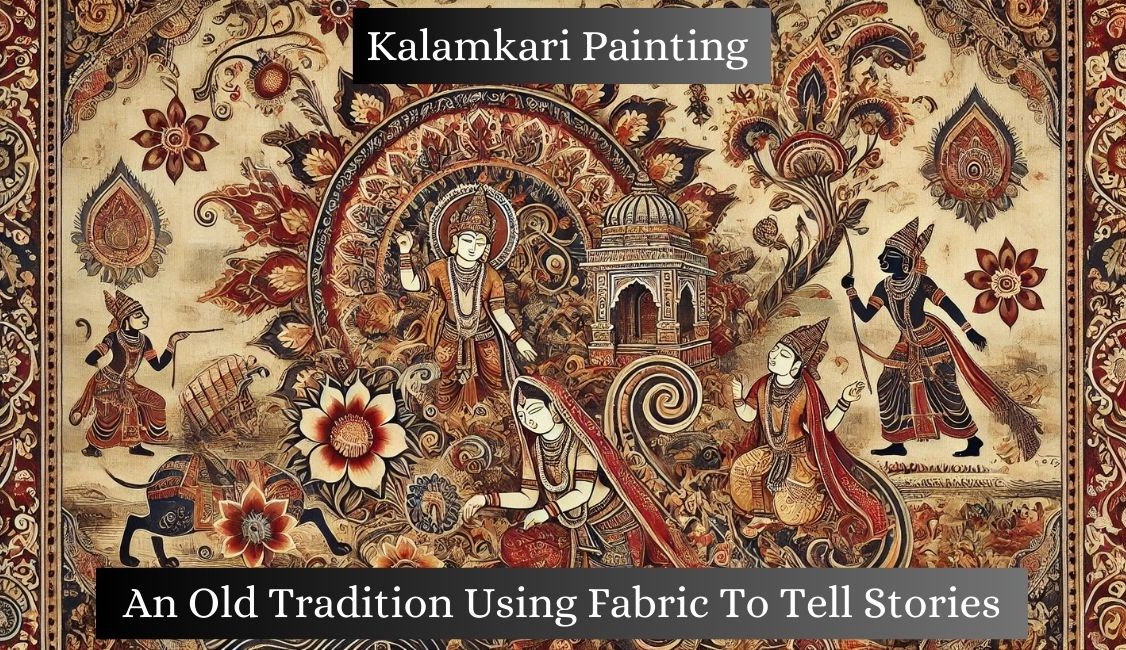
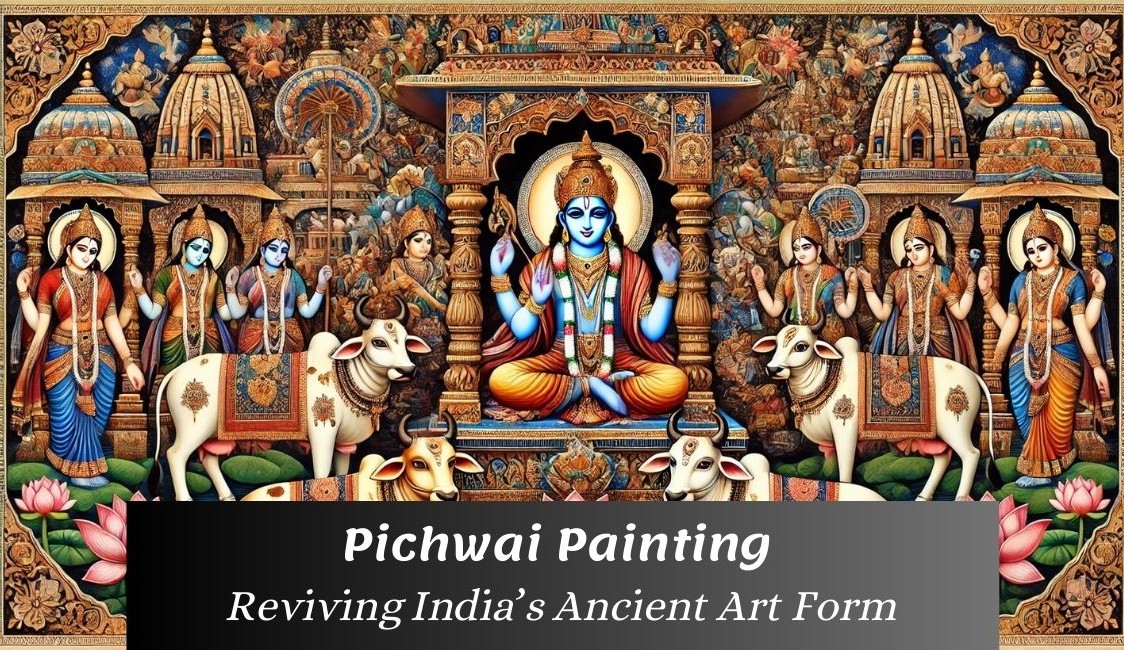
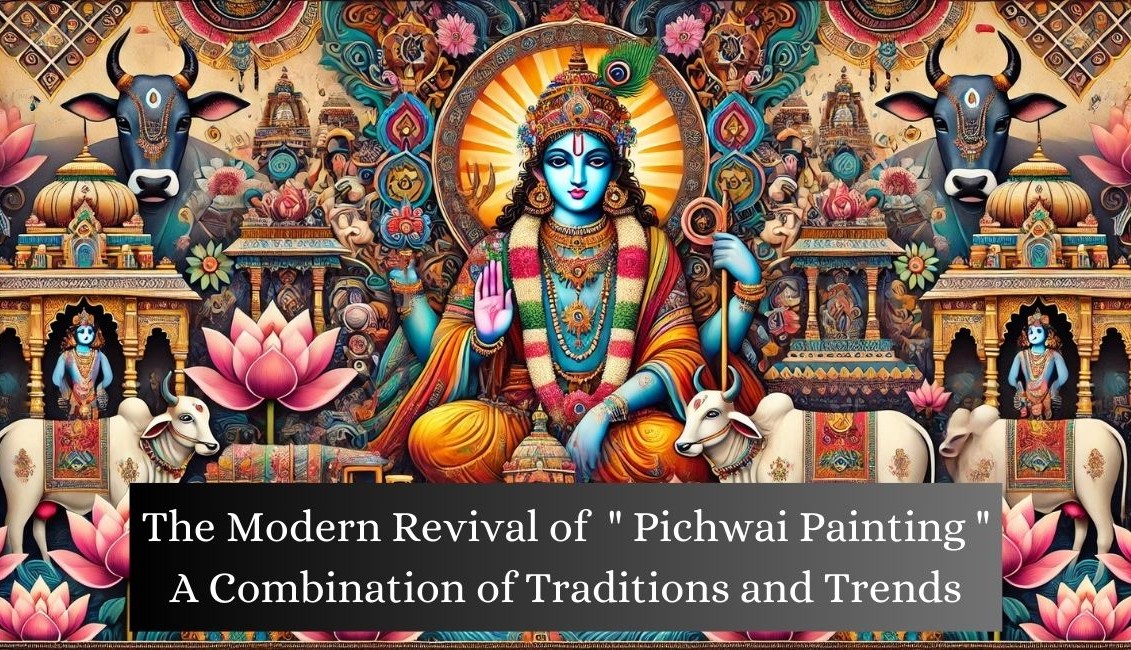
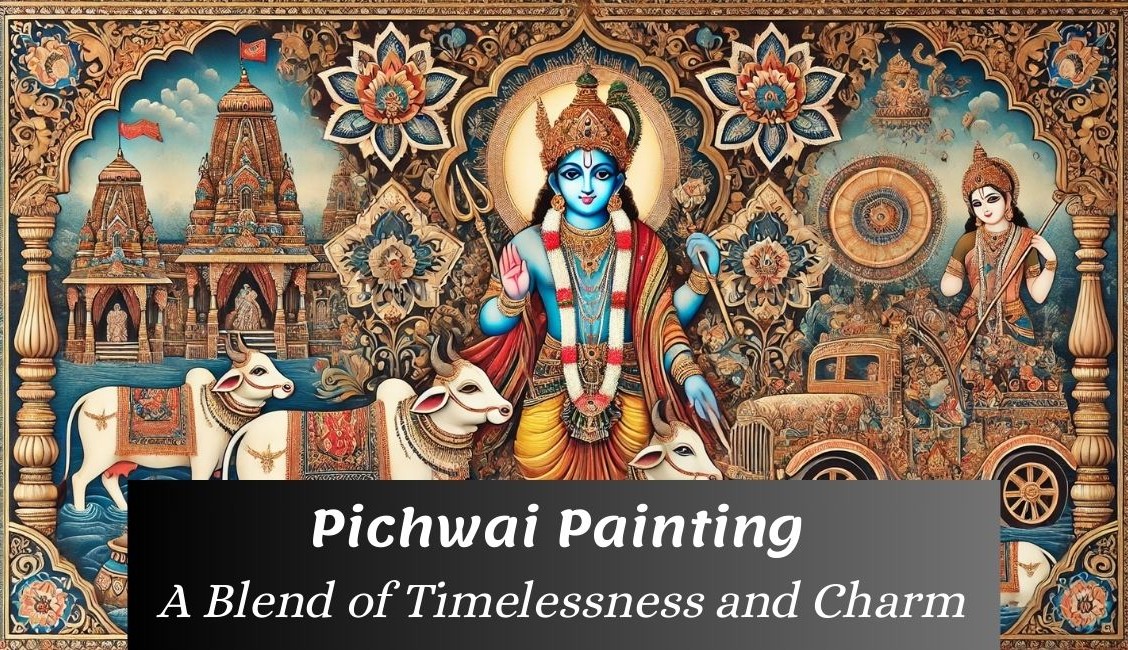
Pattachitra (meaning “cloth painting”) is an ancient style of painting from Eastern states of India, that is Odisha and West Bengal. It is famous for its elaborate folktales, myths, Pattachitra is known for its details, bold patterns and intricate style. These paintings often depict stories from the Hindu epics including the Mahabharata and Ramayana, or scenes of Jagannath’s life, a deity worshipped in the state of Odisha. The art form transcends beauty, it acts as a medium of narratives, serves as a cultural souvenir, and acts as a spiritual possession.
Historical roots
How old is Pattachitra? It is and has over 2,000 years of history making this one of the most oldest art forms in India.
The world famous Jagannath Temple located in Puri, Odisha is intricately linked to the development of Pattachitra. Pattachitra was created to be used as offerings in temples or to narrate Hindu epics. Artisans, commonly referred to as Chitrakars, would use cloth and dried palm leaves to paint using naturally sourced colors obtained from the local soil, flora, and spices.
The early paintings depicted in Pattachitra were purely devotional, with the hope of connecting believers to divine tales. Even in the modern era, Pattachitra is closely associated with religious activities especially during the Rath Yatra festival, where deities are worshipped publicly in the pattachitra physical manifestation. In addition to Odisha, there is also a form of Pattachitra unique to West Bengal which incorporates stories of regional myths, everyday life, and social issues. The love for storytelling in all of its forms remains constant across all cultures.
The history of pattachitra ‘s evolution
Pattachitra has shifted from its original form and has been subject to change in both style and subject matter, similar to any other art form whereas paintings were once only made for the purpose of devotional worship, modern Pattachitra artifacts incorporate a wider range of themes and messages. Culturally important figures are now accompanied alongside scenes of festivities, depictions of rural settings, and representations of current issues.
Alongside the themes, the techniques and materials have changed through time. Palm leaves and cloth are commonly used by traditional Pattachitra artisans, but contemporary Pattachitra artists use canvas, glass, and even paper. Striking the right balance between tradition and innovation has helped Pattachitra remain alive and relevant for modern audiences.
Pattachitra in modern times
While Pattachitra is unique in the sense that it persists among modernity, other practices often undergo decline with modernism. This is because this form of art has nicely integrated itself into the contemporary setting.
Contemporary Art Scene: Pattachitra designs are now printed on sarees and even used as home interior decorations. This has made the art form more marketable and attractive to the younger generation.
Cultural Preservation Efforts: Many NGOs and government organizations fan Pattachitra through exhibitions, workshops, and partnerships with international artists.
Online Platforms: E-Commerce has enabled many skilled traditional craftspersons to access direct markets, eliminating the middleman. Great Odia Pattachitra masterpieces by independent artists are sold on Etsy.
The process of pattachitra
To make a Pattachitra painting is to undertake an artisan activity filled with love and passion.
Materials Used:
Canvas – A piece of fabric coated with a mix of chalk powder and gum from tamarind seeds.
Colors – Completely natural, obtained from stones, minerals, and leaves. Black is derived from burnt coconut shells, white from conch shells, and yellow from turmeric.
Brushes – Animal hair is used to make precise brushes.
Steps To Create:
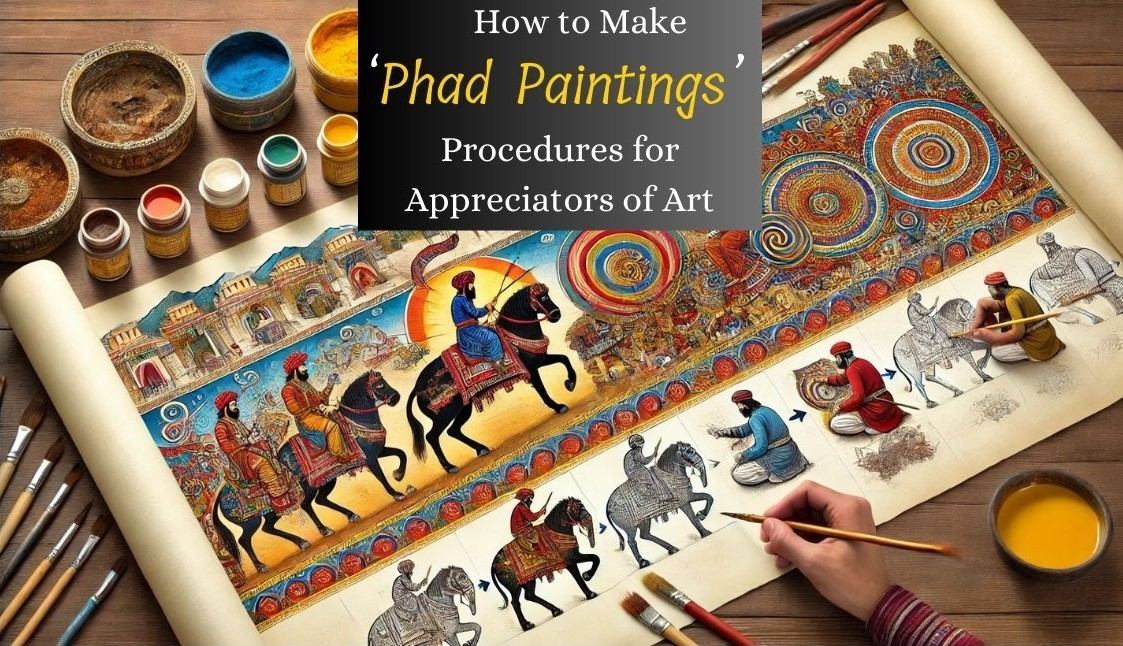
Preparing The Canvas – To begin, a cloth gets stretched and placed on a table, is layered with chalk and gum paste and then is further heated to dry. The result is a smoother surface.
Crafting the Design: Using precise brush strokes, the artists sketch on the canvas.
Artistic Work: With vigorous strokes, the artist paints sections of the canvas, transforming it into a lively tapestry.
Last Step: After the painting has dried, a lacquer coat is applied for protection and added luster.
As one can imagine, the entire process can stretch for several weeks or even months, demonstrating that each piece of Pattachitra is a work of art by itself.
Renowned Pattachitra artists
No narrative of Pattachitra is complete without encapsulating the inspiring and talented artists who make these works. Whole families living in the rural districts of West Bengal, as well as the Raghurajpur village of Odisha, devote their lives to the craft. This village is well renowned for its popular artworks and is located near Puri in Orissa. Some of the famous Pattachitra artists are :
Ananta Maharana – He was one of the first to work on traditional themes and received many accolades for his work.
Swarna Chitrakar – From Bengal, her works demonstrate the detailed scroll style of Bengal Pattachitra.
National Award Winning Artists – Numerous artisans from Raghurajpur have been awarded national Pattachitra for their excellence in preserving this art.
The global appeal of Pattachitra
Not only in India but in other countries also, people get mesmerized by this famous artform. It is not just a piece of art; it is motivation and past intertwined. Its reach has expanded due to international exhibitions, collaborations with designers around the globe, and even having a place in many museums. From the stunning detailing to the magnificent narrative, it touches the heart of every art lover.
Why Pattachitra matters
There are many famous artforms which symbolize the rich heritage of India but Pattachitra is one of those types of art that go beyond the superficial. Spanning centuries of India’s rich heritage, it is backed by relentless efforts, artistry, and passion— portraying the country’s heritage over the years. In buying Pattachitra, we are not just purchasing art; we are investing in history while empowering the artisans and their unheard stories.
Are you passionate about this contemporary art? Here is how you can get involved with Pattachitra and help nurture its legacy:
-Pay for Pattachitra directly from the artisans at exhibitions or on their websites.
-Explore the ‘heritage crafts village’ of Raghurajpur in Odisha, meet the artisans and witness them in action.
-Engage in community or workshop projects that focus on the preservation of traditional crafts.
Pattachitra encourages us to stop for a moment, know the incredible tales that have never faded, and step into the story, instead of only gazing at it.






 19Mar
19Mar
 by
by