It’s Necessity of Adaptation in Contemporary Society
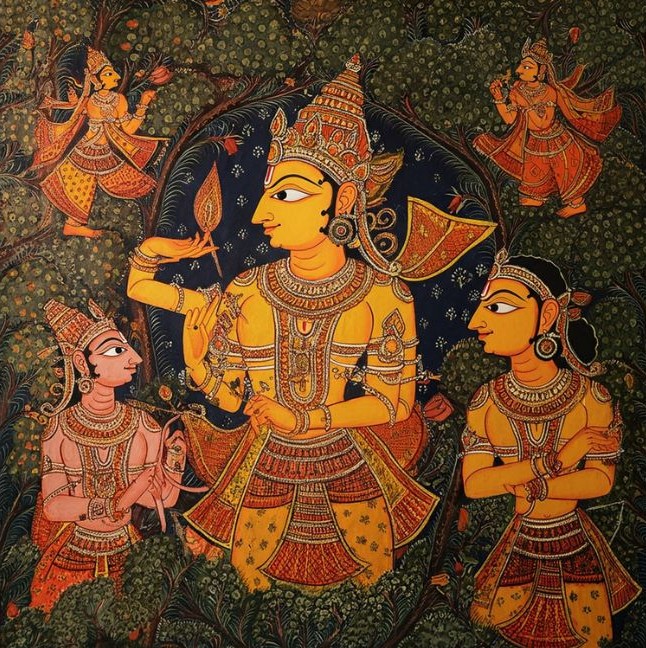
As an Indian art form, Pattachitra has always had a valued place in the society yet it is now reclaiming lost prominence. Defined by its extremely detailed decor, breathtakingly elegant color choices, and the rich narrative behind it, Pattachitra traces its origins from the ethnically diverse state of Odisha. In order for it to be appreciated in the modern day world, Pattachitra has evolved beyond its classical boundaries and found relevance in fashion and art markets around the globe.
This blog covers the evolution of Pattachitra through the years, the current changes that are shifting its perception in the world and the steps being taken to scholar and to ensure that its uniqueness never goes unappreciated. Readers will understand exactly how Pattachitra is creating and sustaining its relevance in the world today and what actions people can take to ensure that it never goes extinct.
A Concise Chronological Account of Pattachitra Development Over The Years
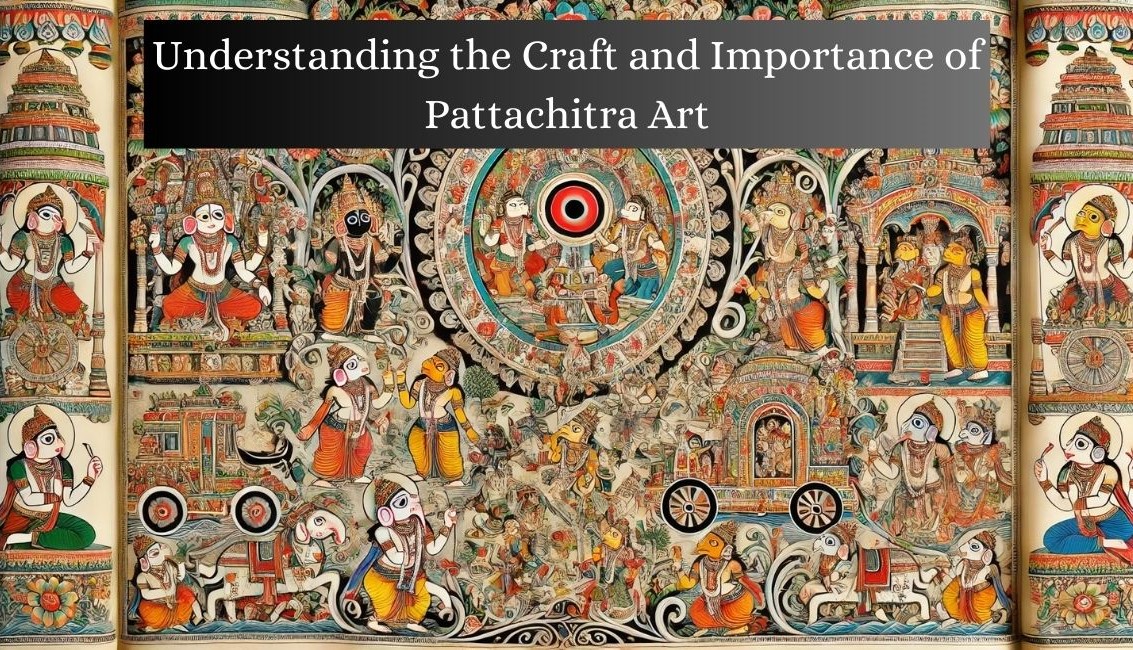
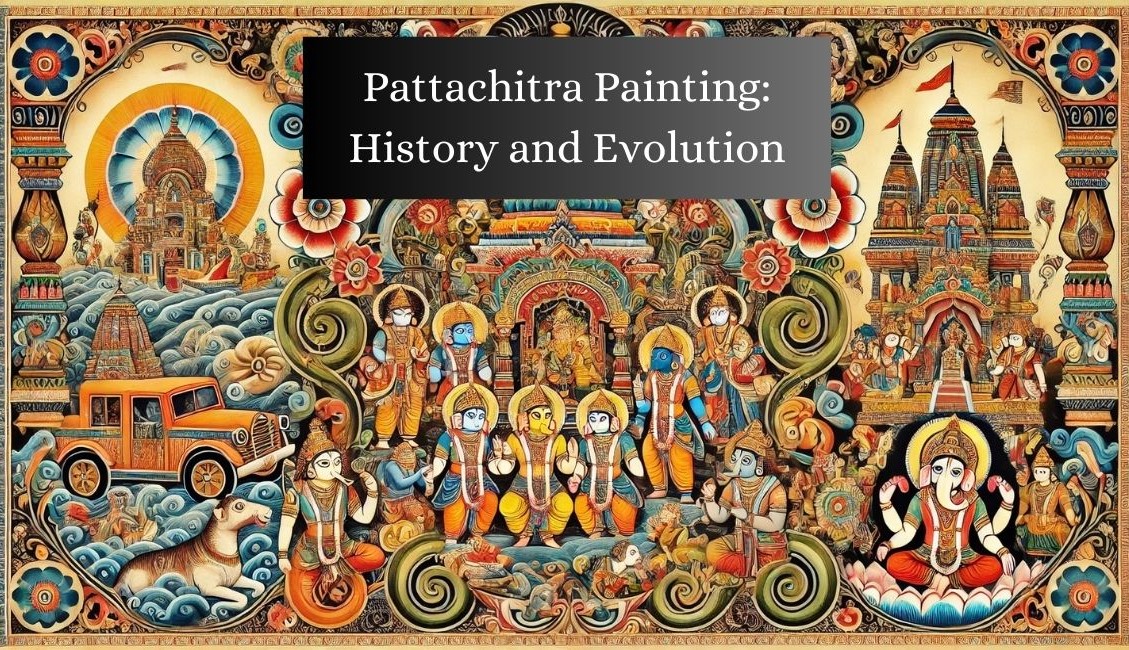
In the Sanskrit language, “Pattachitra” means ‘cloth painting’, which explains the medium and the style used in it’s creation. This art form is connected to the history of Odisha and it’s culture and religion from the 12th century. To depict mythological stories of famous Indian epics like Ramayana and Mahabharata and folklore, artists called Chitrakars painted these stories.
Traditionally, Pattachitra was painted using regularly available natural elements such as stones, minerals, and herbs and the colors were crafted out of those raw materials.
Like other parts of India, India as a whole has always embraced Odisha’s paintings. However, in the last few years, it is the interest shown in art by many people and institutions that has made the revival of pattachitra so remarkable. This is due to the work of local artists, government initiatives, NGOs, and other institutional efforts to revive traditional arts.
Such interventions have resulted in restoring Pattachitra and at the same time improving the economies of rural folk. Now, small and medium sized municipalities and villages like Raghurajpur, believed to be the birthplace of pattachitra skill, are bustling with ‘art tourism.’ Tourists come to watch the work of these masters and take home beautiful pieces of culture crafted by the locals.
Vernaculars of Pattachitra: techniques and Styles
One of the forms of paintings to capture the eye of many is known as Pattachitra. Clarity to detail is one of the traits which them more stunning. These paintings are bound to a particular set of rules and their execution and therefore are truly a work of art.
Methods of Painting
The canvas is prepared in the following manner:-
The base of Pattachitra paintings uses homemade fabric or dried palm leaves. Chalk fine and tamarind seed gum coarsely mix. This mixture results in a smooth durable surface.
Paints
Natural colors are prepared from various natural sources such as yellow color fromHaridra- haldi, black color by burning coconut shells .Paints also come from crushed conch shells and petals of many flowers and green leaves of plants ensure color rich in variety and pigments.
Detailing
Each canvas of pattachritra is characterized by minute flower borders, stylized characters, and geometric patterns blended harmoniously with the center. The paintings are renowned for their integration, leaving no borders in space.
Artistic Styles
Pattachitra’s famous works includes the masterful rendering of Lord Jagannath, Krishna Leela. The beloved panels of narrations, each capturing a full tale per painting, is the most depicted. All of the distinct details also integrates the rich Artic traditions of Odisha into the Pattachitra, such as the faces, attires, and nature.
Modern Adaptations of Pattachitra
Pattachitra still deeply instills their outstanding workmanship into modern day clothes and Pattachitra’s sunglasses. It is no longer restricted to canvases alone.
Fashion and Accessories
Handbags, blouses, and Pattachitra artifacts have been made and updated with new designs by famous Pattachitra talented craftsmen and women. Sarees with intricately painted borders and blouses depicting mythological stories are in hot demand in India and abroad.
Home Decor
Apart from paintings, Pattachitra art has also been commercially converted into cushion covers, still life lampshades, and framed patches, as well as for more creative designs. Many modern interiors put these alongside more minimalist styles for a stunning blend of old and new.
Digital Media
Everyone from students to young professionals is becoming more fond of Pattachitra inspired posters, prints, and digital drawings, with artists increasingly shifting to transforming Pattachitra style art digitally. This new Pattachitra style, along with many other traditional crafts, is reaching an even wider audience.
Pattachitra’s Global Appeal
There is not one piece of art that does not have a cultural story behind it, and Pattachitra is no different. Pattachitra has gained international acceptance and attribution with many collectors taking a keen interest and even museums showcasing it as India’s traditional craft.
Countries like the US, UK, and Australia have started embracing this art form because of its unique aesthetic and rich cultural background. Also, exhibitions and joint projects of Indian and foreign artists are showcasing that Pattachitra truly is a timeless piece of art.
Preserving Pattachitra for Future Generations
Pattachitra is gaining new forms and new audiences, which is a good thing. But the continued devotion to preserving this traditional craft is what will ensure the survival of Pattachitra for years to come. Online initiatives, such as workshops, government grants, cultural festivals and websites, are proving crucial.
Workshops and Education
A few enterprises offer training exercises for Pattachitra’s young artists by recruiting them and teaching the craft’s history, techniques and value.
Digital Platforms
Campaigns and online shops that focus on Indian handicrafts enable Pattachitra artisans to market their works directly to a global audience.
Festivals and Cultural Exchanges
Pattachitra works are featured in the Odisha Crafts Mela as well as other international art fairs which help introduce the art to new audiences while promoting understanding and appreciation of Pattachitra.
Supporting the Legacy of Pattachitra
Sustained efforts from everyone who holds value in the intermingling of tradition and art is needed for the future of Pattachitra. To help with the sustainability of this craft, one does not need to go out of the way; instead, simply attending exhibitions, buying genuine pieces of art or popularizing local craftsmen on social media will suffice.
Pattachitra is an undying art form, symbolizing the power of storytelling ingrained in each stroke of the brush. It is a historic phenomenon that has gushed into the modern world, guaranteeing generations to come inspiration while never losing its inheritance. It’s a look into the cultural heart of India, so support this stunning legacy helps preserve it — learn and explore.
Like other tribal paintings, Warli art is no exception to bear various motives. Different images are embroidered capturing their stories, values, and notions. Here are some of the common pictures and their interpretations:
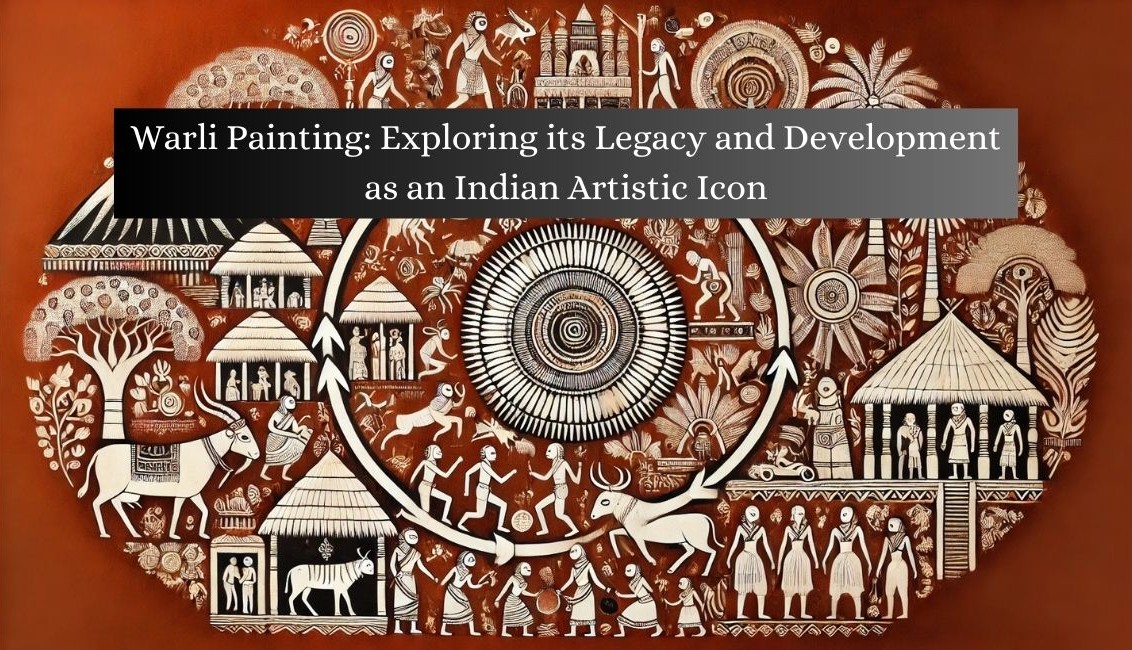
Sun and Moon
Life and time are rhythmically depicted in Warli paintings, perfecting the balance between beauty and nature, which is why sun and moon are so pivotal in depicting it.
The Tarpa Dance
Each figure tries to imitate the other and, as they do, they increase their pace and step over each other to grab each other’s poles. The Tarpa dance is motivated by the heart of a dancer. Trees and Wildlife Warli art is about life and in this case the life of the trees, animals, and birds means how much the tribe respects and values Nature and highlights their way of life.
Warli artform incorporation in everyday lives
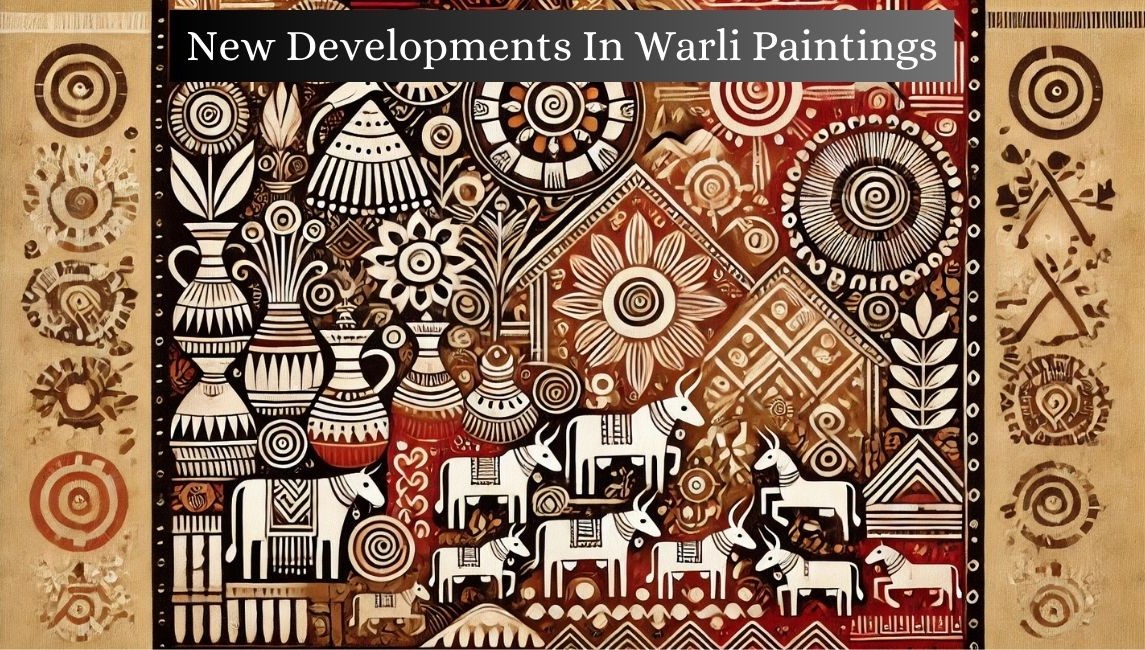
The depiction of men and women engaged in cultivation, cooking, and feasting is indicative of the ordinary rural way of life, and its vibrancy is reflected in such artworks. Modern Interpretations and Innovations The contemporary artist has no limitations to keeping this ancient art form to clay house walls. Today one can find Warli sculptures and paintings on fashionable clothes, home furnishings, and even digitally designed works of art.
Urban Adaptations
With the rise of modern civilization, Warli inspired wall paintings and murals are commonly seen in cafes, restaurants and public walls in busy cities and towns. DIY Revolution Urbanization and the culture driven by social media platforms like Instagram have tremendously popularized this tribal art among the DIY fans and lovers. For example, tote bags and coasters have become the most popular souvenirs when it comes to handicrafts.
Designer Collaborations
Famous fashion and design brands are now using Warli motifs on their garments, furniture, and even ornaments. Warli on the World Stage With its International Museum, International Art Gallery, and International Science Academy and many others have made Warli Art popular across the globe. Some of them are: Museum collections of Warli art are part of The British Museum and the National Gallery of Modern Art in India.
Global Events
Warli artists’ work has been featured in the Venice Biennale and in art fairs all over the world. The artform has become popular in many ways in many countries all around the world.
Sustainable Impact
Warli art has become a medium for NGOs to help tribal communities gain sustainable livelihoods while preserving the art form. The most striking feature of Warli painting lies within its simplicity and charm. In a time where art is usually sophisticated and digital, this craftsmanship brings back the fresh air of ancient times where beauty lies in its essence. A Warli painting is more than just a piece of art. It is a linkage to the culture, a connection to history, and a form of life connected with nature.
Why not try it yourself? Pick a story and create a picture and see where your mind wanders. Have you attempted your own Warli painting? We want to see! Share your art on social media with #MyWarliStory. You can also sign up for local workshops to hone your skills further.
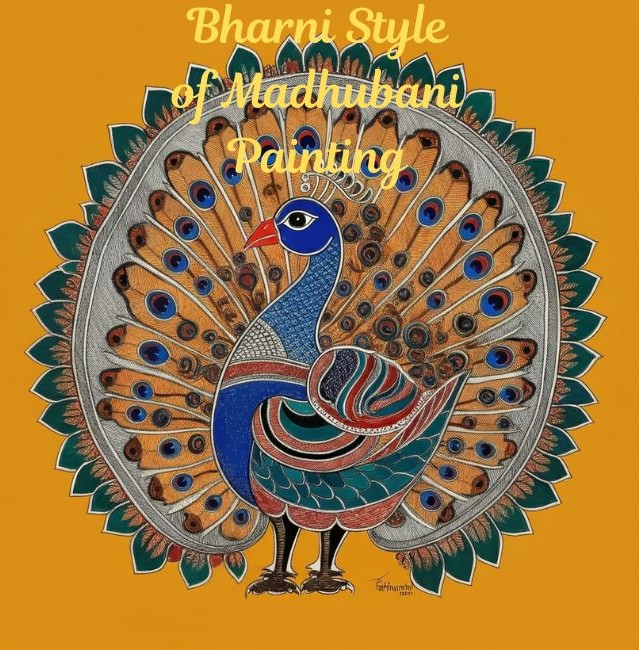
Bharni Style of Madhubani Painting: A Timeless Blend of Culture and Creativity Bharni Style of Madhubani painting is a treasure that has paralleled civilization. It...
The Origins and Evolution of Madhubani Painting Have you ever found yourself enchanted by a beautifully adorned painting that depicts the culture of a faraway...
Recent Trends and the Future of the Art World: Contemporary Art Unveiled Contemporary art serves an encompassing purpose; it is a vision that attempts to...
Warli Painting-Exploring its legacy and development as an Indian artistic icon Have you ever been fascinated by Warli’s rhythmic stick-figure paintings? This form of painting...
The Creation of Dokra Paintings and Everything Surrounding It Dokra painting is a specific type of painting that is steeped in culture, heritage, and craftsmanship....
The Artistic Journey of Dokra Painting: History and Evolution Dokra art is one of those art forms which exquisitely encapsulates the spirit of craftsmanship, artistry,...
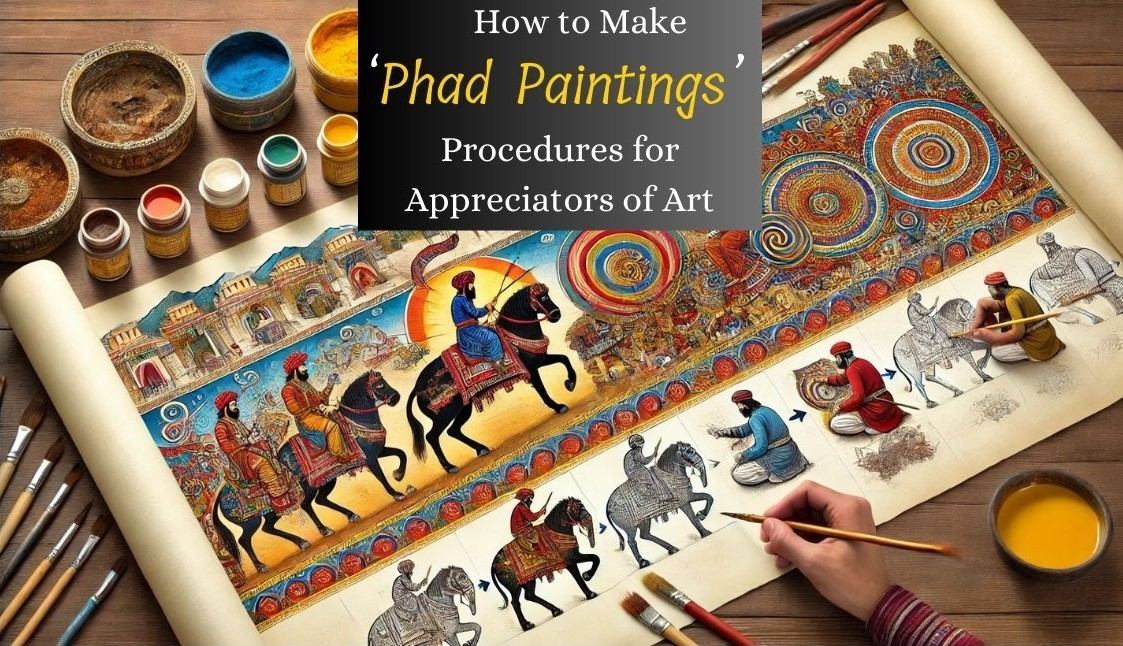
How to Make Phad Paintings: Procedures for Appreciators of Art Phad paintings depict more than simply figures. They depict a full historic narrative. For hundreds...
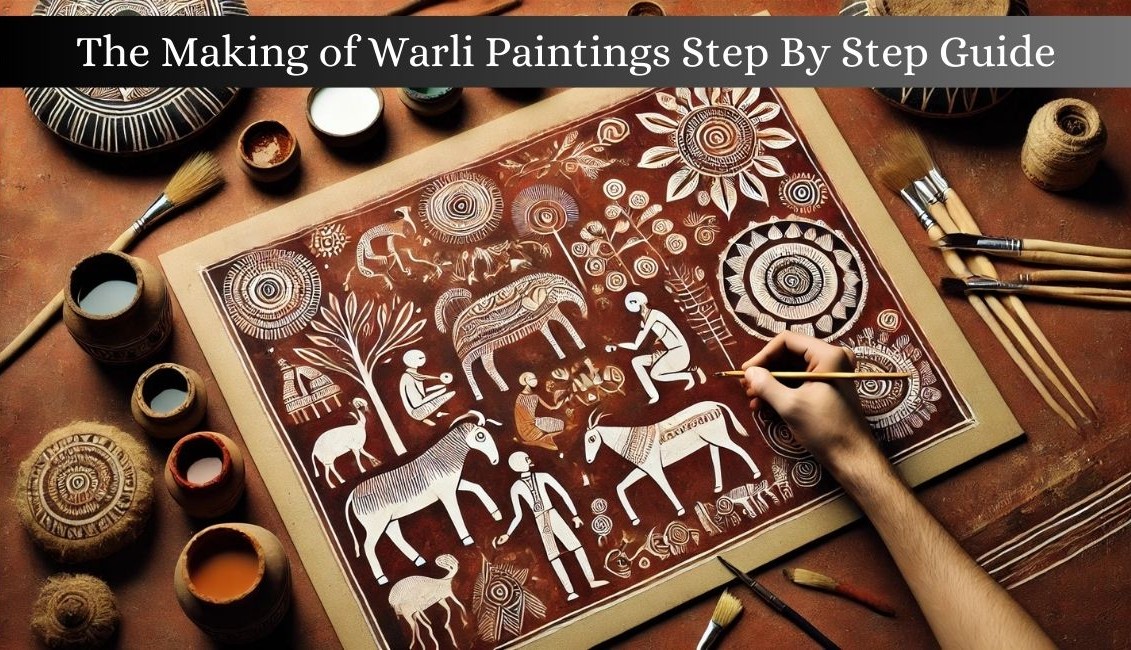
The making of Warli Painting-Step by Step guide Have you ever thought about the beauty that some tribal art encompasses? Warli painting, which originates from...
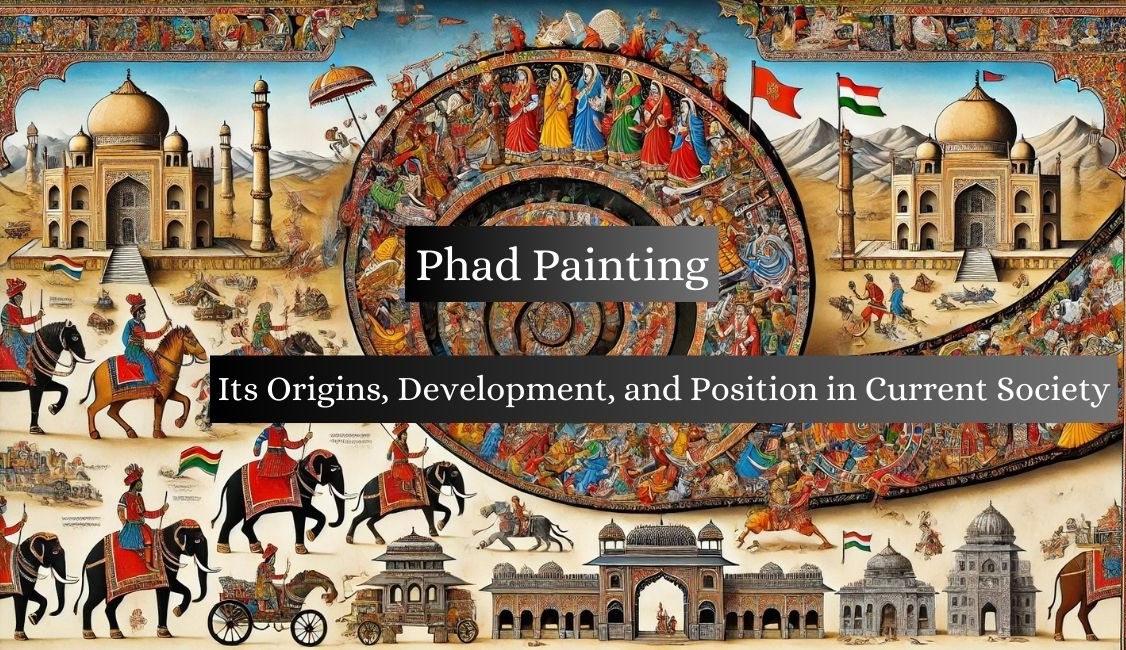
Phad Painting: Its Origins, Development, and Position in Current Society An Overview of Phad Painting Phad painters create more than an artwork; it is a...
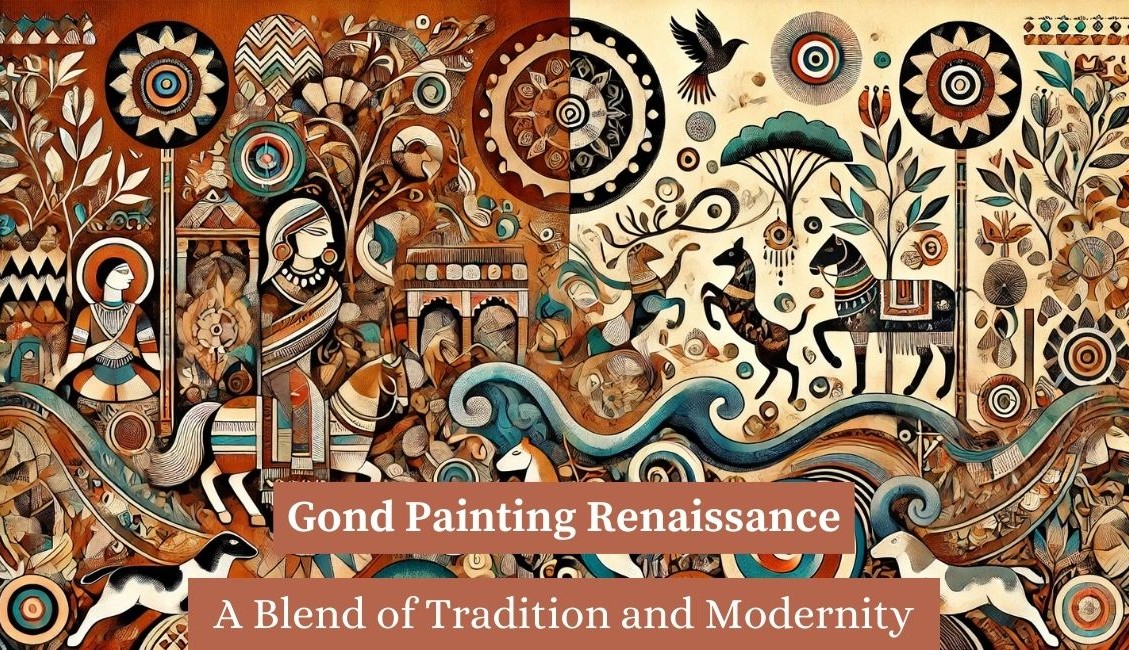
Gond Painting Renaissance: A Blend of Tradition and Modernity From the mirth of traditional storytelling to the creativity of windows dazzling the world- a centuries-old...
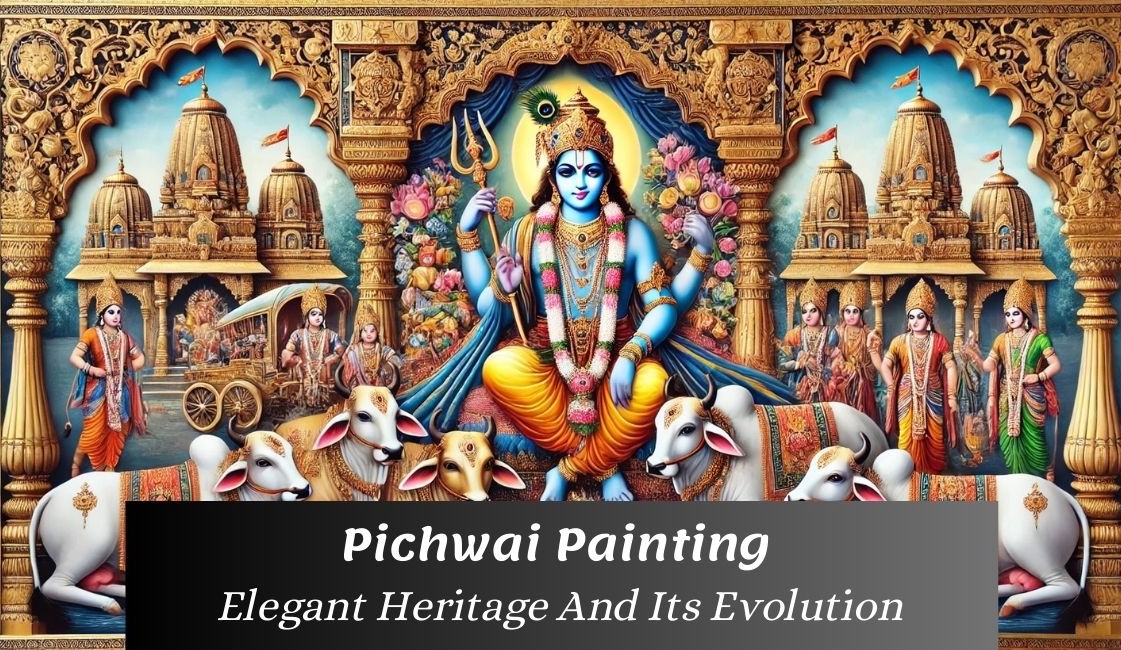
Pichwai Painting’s Elegant Heritage and Its Evolution India is a land of vibrant culture and a rich heritage. Amon various artistic forms, Pichwai paintings, is...
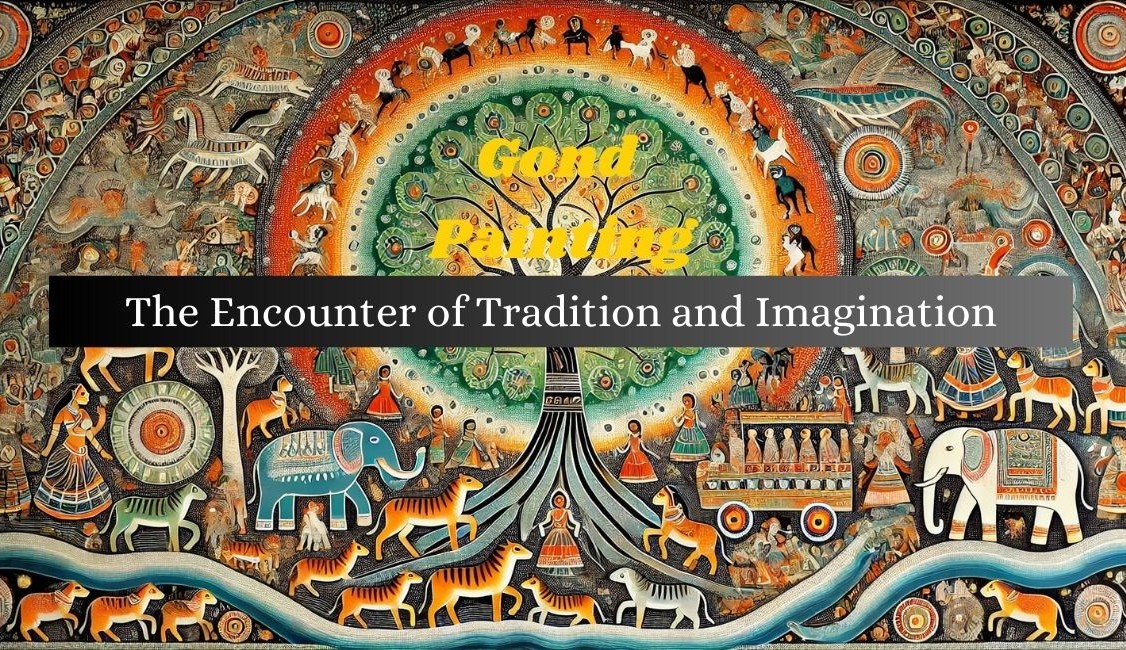
The Art of Gond Painting: The Encounter of Tradition and Imagination Gond paintings are eye-catching works of folk art that depict and elicit powerful visual...
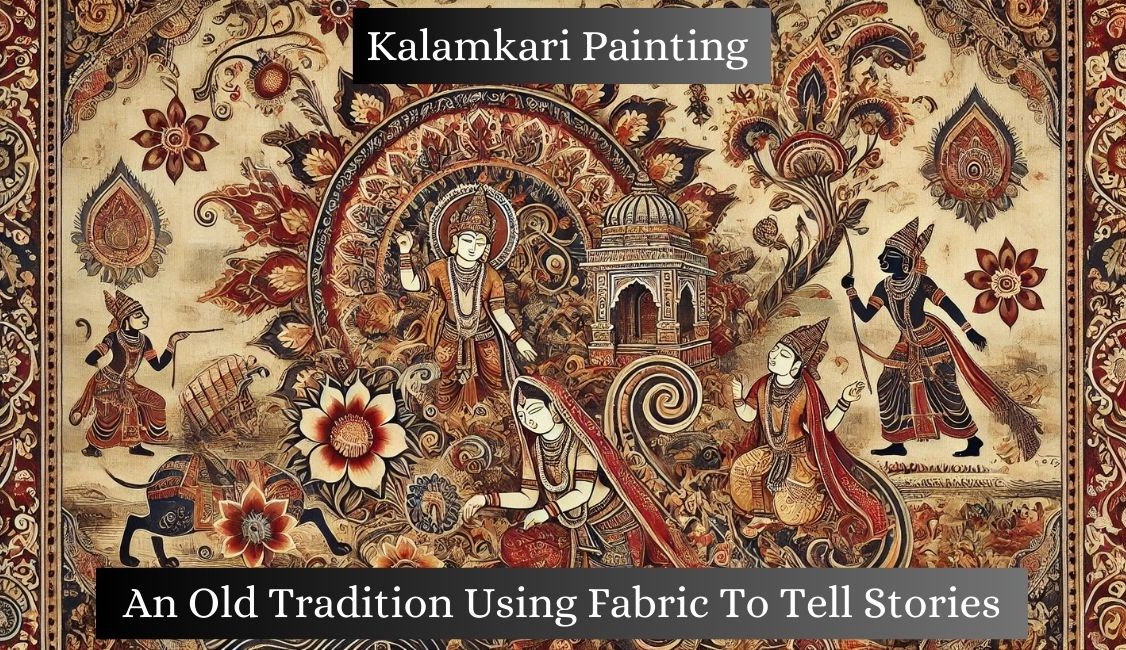
Kalamkari Painting – An Old Tradition Using Fabric to Tell Stories This combination of “kalam” meaning pen and “kari” which translates to art, makes kalamkari...
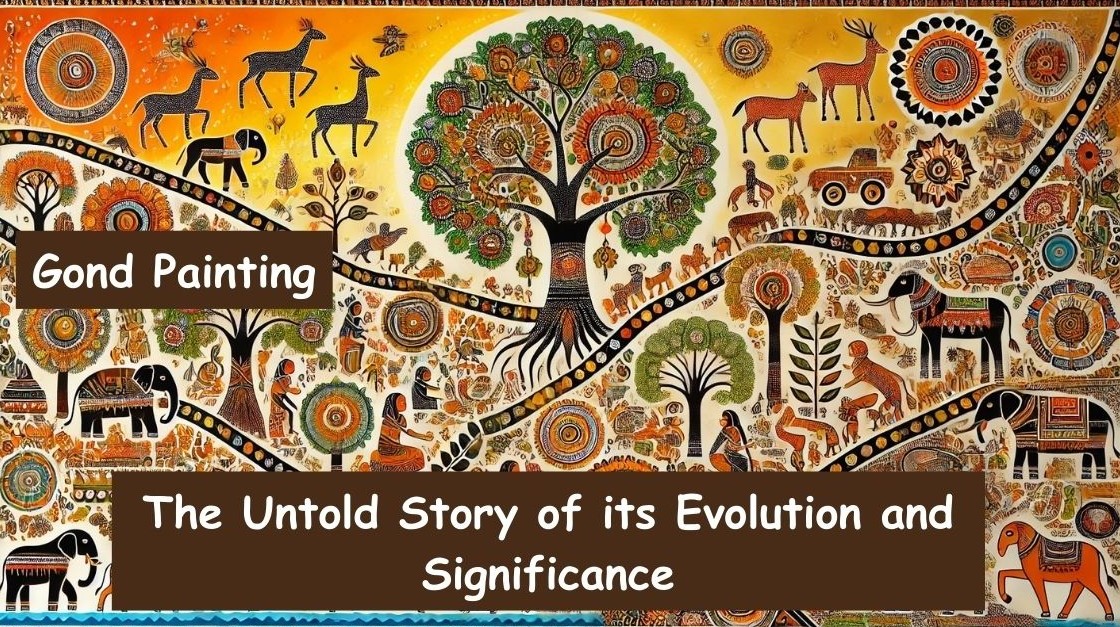
Gond Painting: The Untold Story of its Evolution and Significance Gond painting is more than just something India’s tribes do to beautify a canvas –...
The Modern Revival of Pichwai Painting: A Combination of Traditions and Trends Art as a Pichwai painting has always been a narration of cultural and...
The Unchanging Aura of Pichwai Painting Pichwai paintings are not limited to a singular focus, for their origins allow painters to come up with captivating...
Analyzing Contemporary Changes in Phad Painting Over the decades, Phad painting which is a form art of storytelling and is native to India, has undergone...







 19Mar
19Mar
 by
by