Gond Painting: The Untold Story of its Evolution and Significance
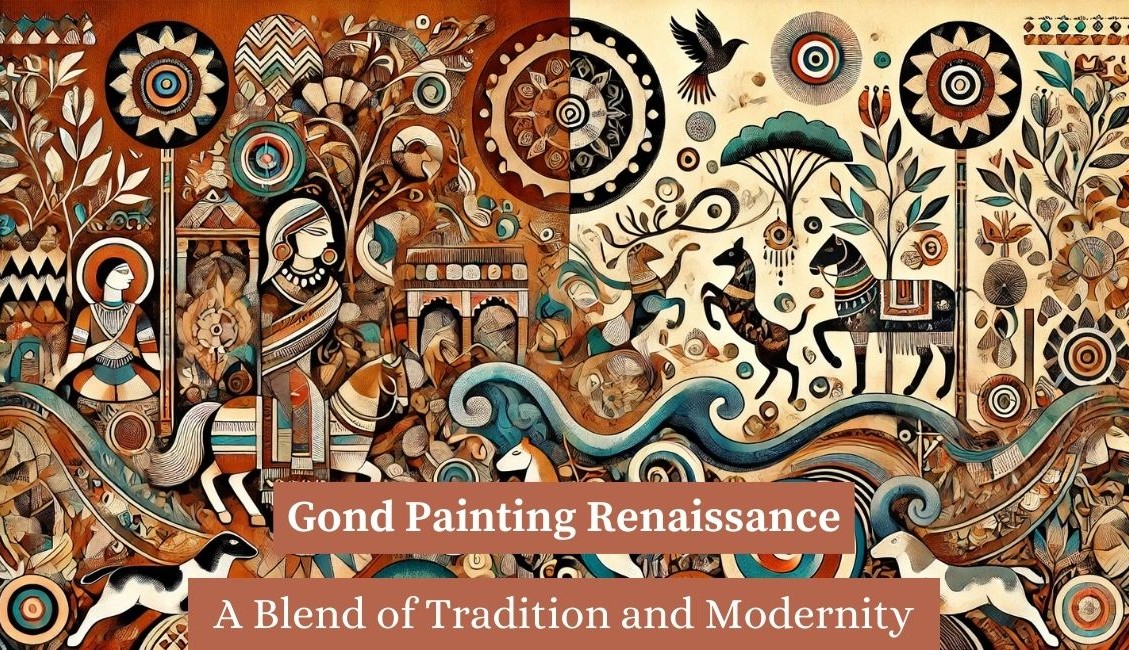
Gond painting is more than just something India’s tribes do to beautify a canvas – it’s an entire ecosystem that encapsulates Gond beliefs, heritage, and history. The Gond, which happens to be one of the largest Indian tribes, captures nature’s beauty with tantalizing colors and intricate detail, making Gond painting one of India’s finest tribal art forms. And it doesn’t stop there. Gond painting is a culture that is adored all over the globe.
The following blog discusses the detailed origins and importance of Gond paintings from modern art collections to Indian galleries.
1. The History Behind Gond Painting
The Artistic Aspects of the Gond Tribe
The Gond people are one of the largest tribes of central India and possess a rich culture that goes back decades. Nearly every Gond individual opines “seeing a good image begets good luck” – a belief that highlights why art is such a pivotal aspect of their life – they see art as a lucky omen. And thus, Gond people express themselves through art. Gond people traditionally painted their houses, decorating the walls and floors of their homes.
Tribal legends, oral culture, religion, and deep cultural ties to nature were captured through these artworks. Each painting was a story or an illustration of the cycles of life, or sacred rituals such as Gond cosmology.
Mythology, Nature, and Ritualism Combination
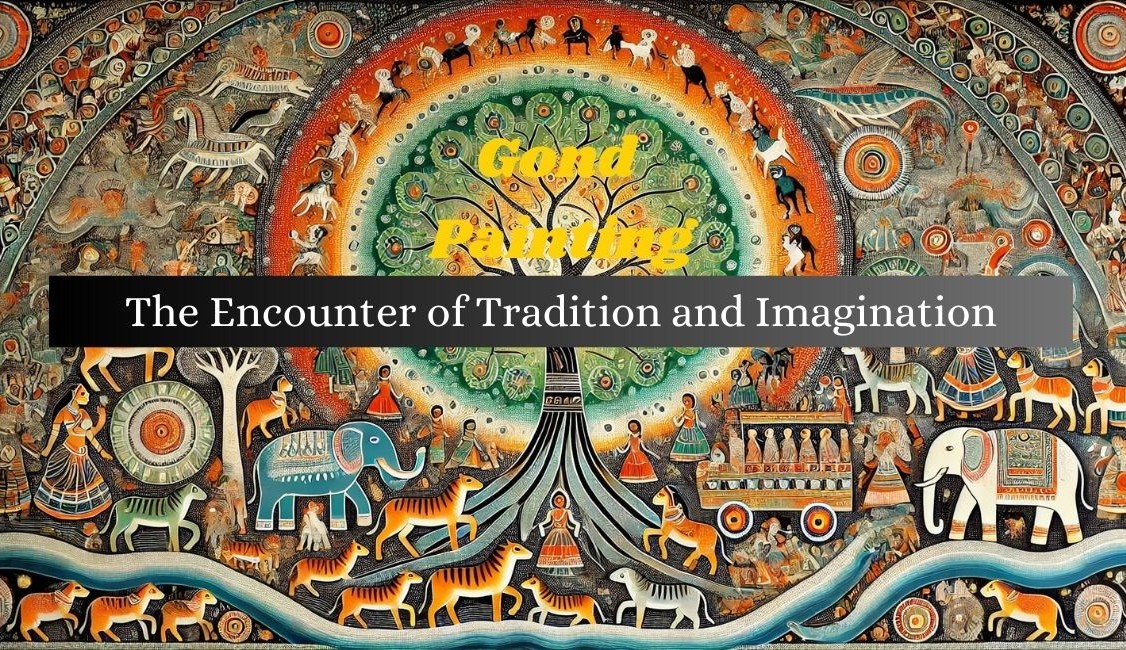
Gond art is fundamentally tied to nature. The sun, moon, tree, and birds; animals, which are present in every painting, represent the core of Gond art. These semiotic images of Gods and harvest rituals are the building blocks of visual art that is created to serve as a retelling of rituals and myths. These images serve as a link between the material and metaphysical world, ensuring the sustenance of culture over time.
2. Progression Throughout the Years
From Rituals to Marketing
Gond paintings were initially created for ceremonial purposes, however, during the latter half of the 20th century, they were repurposed to serve different functions. The first step of the transition was using painted walls within the villages, and subsequently moving to homes and becoming more accessible to the outside world.
Artists like Jangarh Singh Shyam began opening Gond art to mainstream galleries and exhibitions during the 1980s. This shift in the market brought forth the idea of incorporating acrylic and modifying storytelling and associated techniques to appeal to urban audiences. This movement catalyzed the recognition of Gond painting as an art form.
Effects of Globalization and Technology
The outreach of Gond art has been increasing due to globalization. There is now international attendance at festivals or exhibitions, which, combined with selling and purchasing through the internet, aids in making these intricate pieces of art accessible to the rest of the world. Despite this, there are new challenges that come with this cultural dissemination, such as the risk of commodifying art and the need for Gond artists to maintain the cultural heritage while adapting to new global trends.
3. Techniques and Styles
Gond Painting Techniques
Gond paintings are very stunning thanks to the vibrant texture created by the different layers of color and the techniques used to apply them. Particularly, the use of dots, lines, and geometric shapes to create dense patterns. Some of the techniques are:
Dots and Dashes: Used for vibrancy and increased texture.
Fine Line Detailing: Used for highlighting forms and movement for fluidity in the composition. The detailing is done very intricately and beautifully.
Utilization of Natural Dyes: In the past, the dyes were sourced from plants, flowers, and even charcoal and dried cattle faces. Nowadays, more attention is directed towards artificial dyes, which do not distract from the artwork.
Styles and their Variations by Region.
Each piece of Gond art has its individual touch due to the use of personal styles and regional variations despite having similar basic techniques. Different design themes and various forms of storytelling may be used by different villages.
4. Famous Gond Artist
Jangarh Singh Shyam
There is a consensus that contemporary Gond art traces its roots back to Jangarh Singh Shyam, and his work is indeed immense. He has single-handedly transformed Gond painting from the tribal villages into an international phenomenon, and people in all parts of the globe are fascinated by the complexity, warmth, and narratives inculcated within the paintings.
Current Artists Strengthening the Tradition
Prominent members of the Gond art familial tree like Bhajju Shyam, Durga Bai Vyam, and Venkat Ramna Singh Shyam are active in doing the same. They do not only extend their lineage through their pieces but also modernize their works and traditions, keeping it relevant in the present and future while still preserving the essence of Gond art.
5. Gond painting’s place in today’s society
Status of an Artistic and Cultural emblem
“Gond art is today considering an important part of India’s wide tribal tradition as well as an adaptative form of art of contemporary society.” It is pleased to report that there are Gond works, and these works of art have even found their way to museums, private collections and fashion collaborations.
Achievements and Difficulties
Even though the majority of the Gond artists have achieved great commercial success, there are still concerns. The increased interest in Gond Art has at times led to some unethical practices which include poor reproductions and artist exploitation. It is crucial to make sure that proper wages are paid and that ethical sourcing is done to maintain this element of art as well as its cultural significance.
6. Issues of Appreciation and Collecting Gond Art
What to Observe
To appreciate Gond paintings goes far beyond simple admiration of the aesthetic aspect of it. You should ask yourself, how is the painting being done, and what sort of themes and stories are being portrayed. You should check for:
Authenticity: Every piece should meet the requirement of being handcrafted by a qualified Gond artist and in the original style of the artform.
Materials: Use of directly purchasing from an artist’s gallery helps ensure the funds earned go where they deserve.
Provenance: Buying Gond art through galleries ensures that the profits gained help preserve the lineage of this extraordinary art form.
Gond Art Painting as a Language
Gond paintings are an expression of how one can cultivate and appreciate nature, culture, and stories. Gond art has transformed throughout history starting from its primitive roots on slabs of mud, but the internality as well as the beauty remained untouched.
Each piece of Gond art tells a story and if you have decided to start curating your collection of Gond art, you should first learn about its historical significance and the artists who are sustaining it. Step into the timeless pieces of history where one can customize the space bringing peace to the soul and a story to the eye.










 19Mar
19Mar
 by
by