The Modern Revival of Pichwai Painting: A Combination of Traditions and Trends
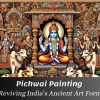
Art as a Pichwai painting has always been a narration of cultural and historical compilations of the immediate period and regions. Just like most art forms, it is profound and detailed. This particular style of painting originated over four hundred years in the land of Rajasthan, India in the town of Nathdwara. The people there produced these intricate pieces of art as a tribute to Lord Krishna. There is a saying, the more the word goes around, the more vivid the decorations become, and these paintings are no exception. And they tell the stories of devotion, mythology, and spirituality.
At this moment in time, there is a renaissance of this lost art and it has slowly started to make a space for itself in the modern world. Once found on temple walls, Pichwai painting have inspired artists from all over the globe and have found its new place in contemporary homes. In addition, these artists while practicing have caused an evolution in themselves. This blog covers the stories and trends behind its revival, its origins while explaining how can one practice this timeless art form and use it in their own spaces to promote the heritage it represents.
A Brief History of Pichwai Painting
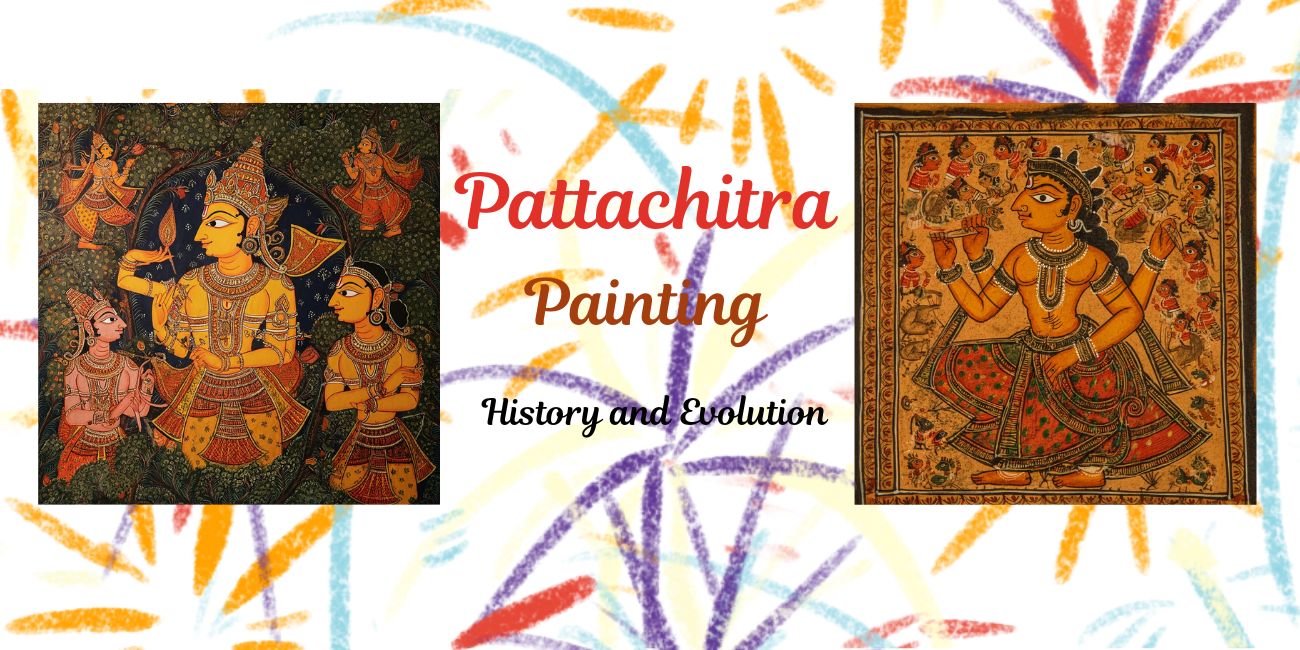
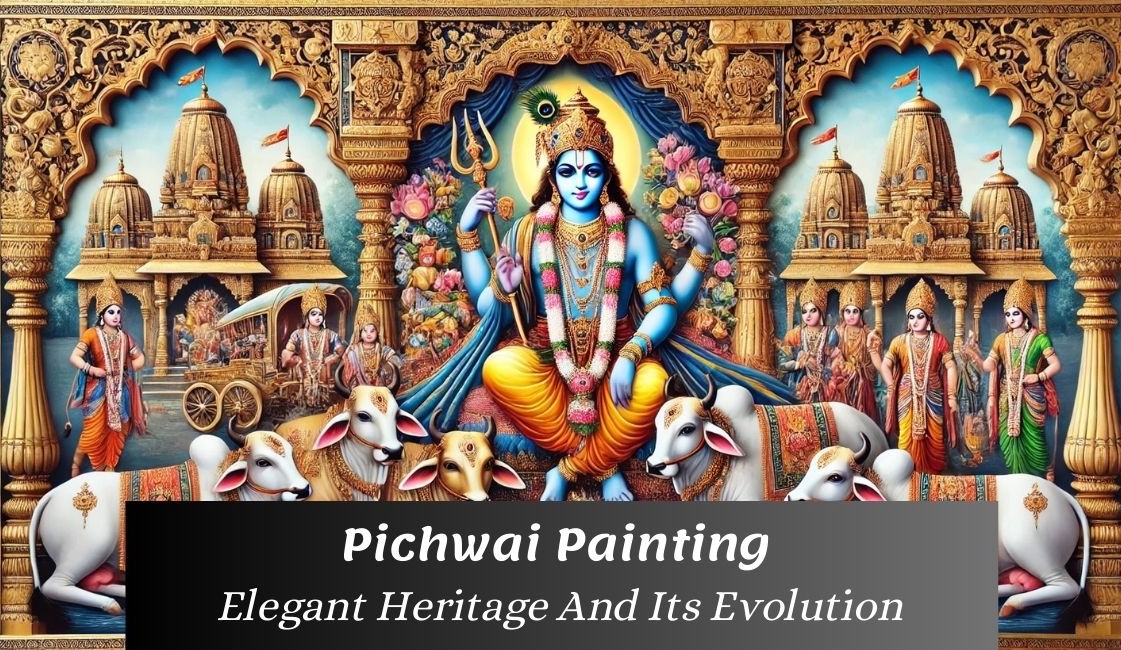
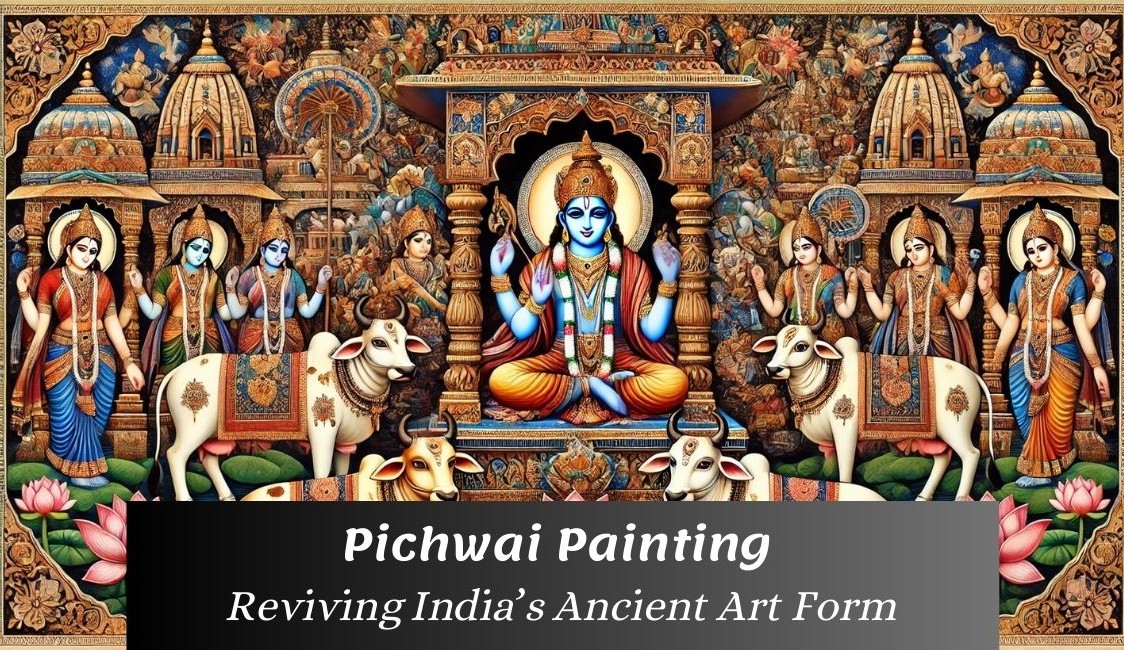
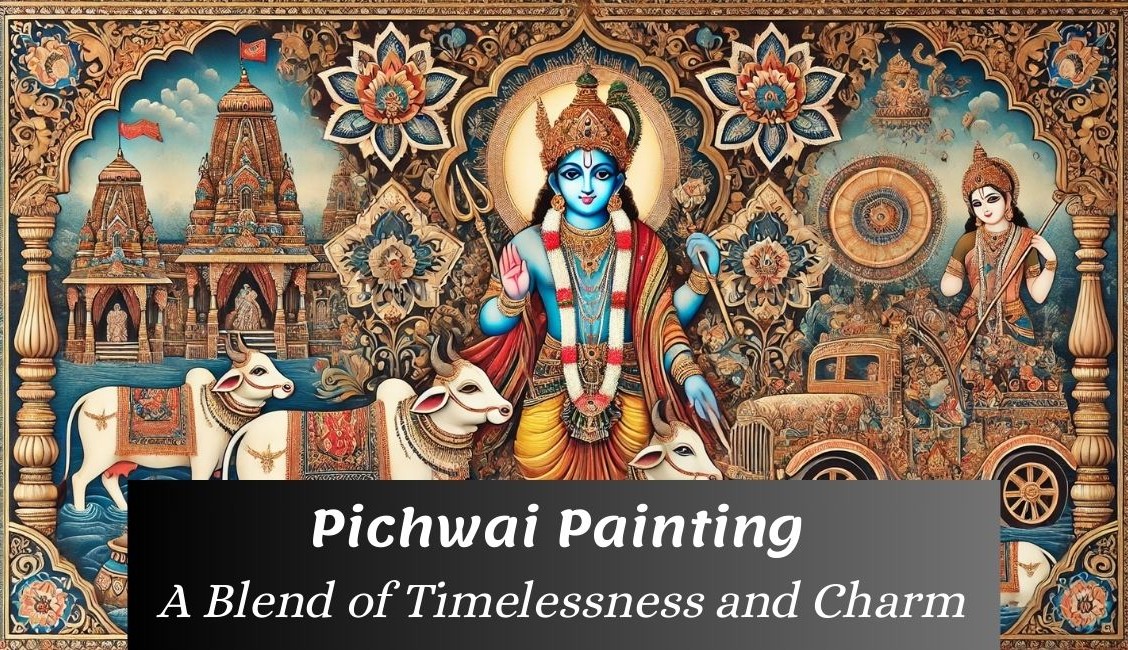
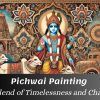
The term “Pichwai” is derived from two Sanskrit words – ‘pich’ meaning back and ‘wai’ meaning hanging, which refers to the decorative backdrop paintings placed on the attached walls of temples dedicated to Lord Krishna. These paintings for most people symbolize the visual aesthetic of intricately detailed scenery of the life of Krishna. In particular, his portrayal as Shrinathji.
Pichwai paintings are crafted on large cloth canvases which serve a dual purpose of elevating the interiors of the temple and visual storytelling for the devotees. Pichwai is an essential example of Indian religious art because the paintings have vibrant colours, finely detailed features, and deep symbolic elements.
An Ancient Artform at Risk
Over the time there has been a considerable change in the taste of people and their changing life styles due to which this intricate and blossoming traditional art has gradually faded from the art and cultural scenario and the reasons are many others in this context. Many families of artists involved in the making of this beautiful art have switched over to other works and professions for their living. Due to less demand for this intricate art, they no longer feel that they should continue with this heritage work as a source of livelihood.
Moreover, this art demands commendable effort of making elaborative designs and themes, Preparation of natural colours, pigments and fabrics requires weeks of hard work and effort and the artists do not get the optimum monetary reward and appreciation for their efforts and work. The Indian market both online and offline is flooded with the replicas of the original artworks of celebrated artists which pose a big hurdle in the preservation of the original artworks.
Emerging Trends of Revival and Innovation
Over the past decade, the trend and craze of this folk art is going head strong and therefore many workshops and training programs have been in trend to keep this art conserve and alive. On the other hand, the state government of Rajasthan has launched various financial support scheme for the artisans. The work and contribution of various traditional artist families and the modern artisans and painters in this context has also helped to revive and innovate this artform.
In Jaipur, the new Pichwai artists have put their spin on the ancient motifs and divine narratives by adding lotus symbols and gold accents. As a result of such experimentation, Pichwai will appeal to modern art lovers without compromising its true essence. Ajay Sharma, along with various artisans’ collections from Rajasthan, have introduced a modern twist to Pichwai and have resulted in a style that is truly one of a kind. They manage to reconcile traditional veneration and modern design, bringing Pichwai to different audiences.
Due to the rise in commercialization and the constant decline of buyers’ interest, Pichwai painting started declining in popularity regardless of its historical significance. Over the past couple of years, new artists, as well as collectors, have started to pour in new energy into this style of art, which is a positive sign for the preservation of its history.
Nathdwara and other parts of India are primal places for the culture of this art form. Young artists are now combining traditional ways of creating art with new age aesthetics to draw in an international audience.
Modern Adaptations and Techniques
While traditional techniques remain the gold standard, modern artists have embraced technology and newer materials. Today, acrylics and synthetic paints are employed to facilitate fast work and low-cost production. Affordability is the name of the game as some artists are now enabling customers to forego their hand-painted canvases in favour of printed textiles.
As pichwai paintings become all the rage, more and more people want them as part of their interiors. Statement walls stand out with these paintings because of their rich colours, sweet detailed patterns, and spiritual themes which makes them perfect for living rooms, dining spaces, or even entryway walls. From life-sized canvases to framed smaller pieces, pichwai art is unmatched in its ability to add elegance and richness to a space. You can find it as a statement piece or even surrounding eclectic gallery walls with different types of modern and classic artworks.
Moreover, technology is playing a very vital role in preserving this intricate artform. Museums and various art collectors are making the digital copy of their artworks in order to preserve them. The technology of augmented reality is being used to make the audience visualize that how their purchased painting will look in their home or living room. Social media like Facebook and Instagram have also played a role in amplifying the reach of this artform. The digital world has opened a whole new world for artisans to sell their artworks who were once struggling to find the buyers for their artworks. Therefore, a balance has to be maintained between the traditional and the technological boundaries without losing its original essence which is a typical challenging task.
The incorporating Effect of Pichwai on World Art and Home Decoration
Pichwai paintings have now transcended Indian art collectors alone. The sophisticated patterns and vivid conversations presented in these paintings have drawn international attention. Designers from all around the world, especially those specializing in ethnic designs, are incorporating Pichwai paintings in their top-end projects.
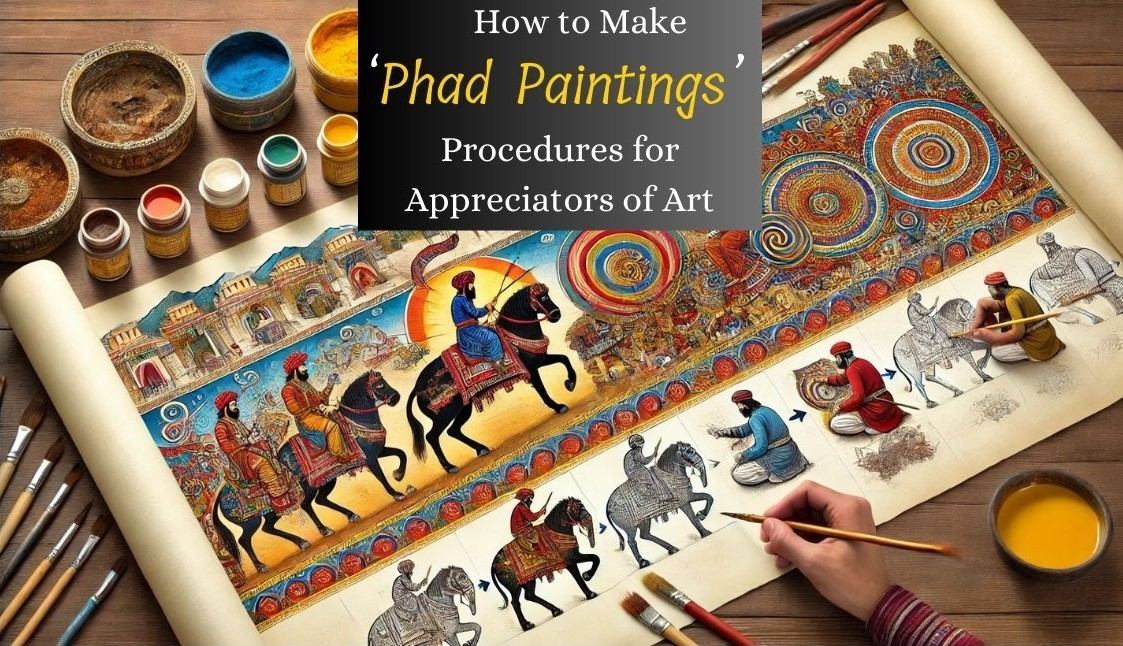
Creating authentic Pichwai paintings is painstakingly detail-oriented. Each piece takes the artist weeks, or in some cases months depending on the intricacies of the design. They use natural colours and pigments extracted from elements like plants, minerals, or even gold leaf which is an ancient technique employed by artists.
This technique involves fine sketches outlined with a skilled hand, followed by several paints meticulously layered to achieve the desired depth and focus. Generations of experience are relied on to ensure each stroke draws the landscape and adds to the artwork.
Tips for Incorporating Pichwai into Home Decor
-Choose Complementary Tones: If your interiors have neutral tones, opt for Pichwai pieces with vibrant hues to add contrast.
-Blend Traditional and Modern: For a contemporary twist, Pichwai art looks stunning when paired with sleek furniture and metal accent decor.
-Go Big for Targeted Impact: Large art pieces especially shine in more bonnet spaces such as minimalistic interiors. They end up making a bold statement in themselves.
-Experiment Beyond Walls: Textiles such as cushion covers, bedspreads, and curtains come in Pichwai designs too making it easy to infuse this art into practical spaces.








 19Mar
19Mar
 by
by